
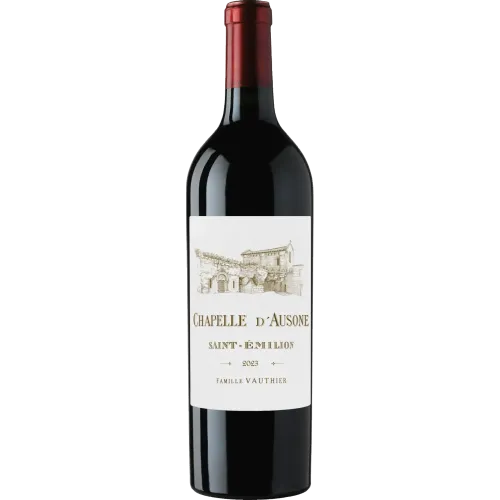
2020 Château Ausone Chapelle d'Ausone
Code: 1955365
· In Stock
$389.98
Select Your Options:
| $389.98 |
Delivery details
Enter destination to see dates & costs
- Description
The history of Château Ausone dates back to Roman times. The estate is named after Ausonius, a Roman poet and statesman who owned the property in the 4th century AD. Ausonius is known for his work 'Mosella', a Latin poem describing the Moselle River and its surroundings. The property's association with this prominent figure adds to its historical significance. The estate was farmed throughout the Middle Ages, with various owners overseeing its development. During this period, the region's viticultural and winemaking practices evolved, paving the way for Bordeaux to become one of the world's most sought-after wine-producing regions. Château Ausone’s vineyards are located on the limestone plateau of Saint-Émilion, which is known for producing wines of exceptional finesse and aging potential. The estate’s vineyard is relatively small in size, but is planted with a mix of grape varieties. Merlot and Cabernet Franc are the primary grapes, with a higher percentage of Cabernet Franc in the blend, which contributes to the unique character of Ausone’s wines. The limestone soil and south-facing slopes of the vineyard play a crucial role in producing high-quality grapes. Château Ausone is known for its dedication to quality and meticulous vinification. The vineyards are meticulously maintained and the grapes are harvested by hand to ensure the best possible fruit quality. The winemaking process involves a combination of traditional and modern techniques. The wines are typically aged in new French oak barrels to enhance complexity and structure. Château Ausone produces only a limited amount of wine each year due to the small size of the vineyard. The Grand Vin, simply called Château Ausone, is considered one of the most exceptional and rare wines in Bordeaux. The estate also produces a second wine called Chapelle d'Ausone, which offers a more accessible and drinkable option. The 2020 Chapelle d'Ausone is composed of 60% Cabernet Franc, 35% Merlot and 5% Cabernet Sauvignon. Rich, deep and expressive, this wine exudes pure class. Aromas of dark cherry, plum, mocha, dried herbs, ginger, leather and dried flowers give the Chapelle an impressive depth and complexity. This medium-bodied, exotic Saint-Émilion is packed with character. The clean, mineral-rich finish is simply beautiful. Chapelle d'Ausone is composed of young vines and barriques that are not used in the Grand Vin. always highly recommended Château Ausone Chapelle d'Ausone is the second wine of Château Ausone, one of the most prestigious wineries in Saint-Émilion, Bordeaux. Here are some key aspects of this winery: History and Location History : Château Ausone has a rich history dating back to Roman times and is named after the Roman poet Ausonius. The winery has been worked since the Middle Ages and has built a reputation for producing some of the most refined wines in the region. Location : Located in the south-east of the Saint-Émilion plateau, Château Ausone has an exceptional terroir with limestone soils that are ideal for viticulture. The vineyards have a unique exposure that benefits from both sunlight and a good drainage system. Vineyard and Terroir Vineyard : Château Ausone's vineyards cover approximately 7 hectares and are planted with Merlot and Cabernet Franc, the two main grape varieties in their wines. Terroir : The limestone soils and the strategic location on the hill contribute to the minerality, structure and complexity of the wines. The unique terroir ensures perfect ripening of the grapes, resulting in wines of exceptional quality. Wine production Vinification : Chapelle d'Ausone is made with the same care and attention as the first wine, Château Ausone. The grapes are harvested by hand and carefully selected. Fermentation takes place in temperature-controlled stainless steel and concrete tanks. Maturation : The wine is aged in French oak barrels, many of which are new, for 18 to 24 months. This gives the wine complexity and depth. FACT: The