
Crown Imperial - A Plant of the Lily Family
Published · Flower Resource · GiftBlooms
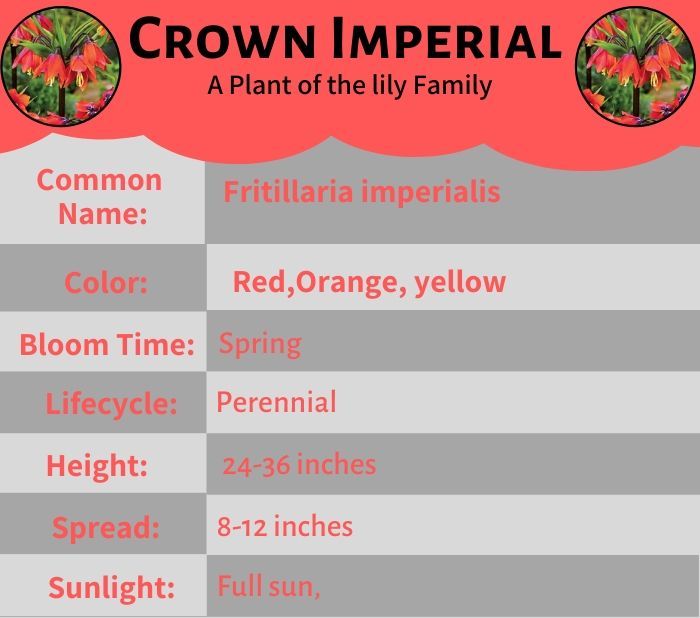
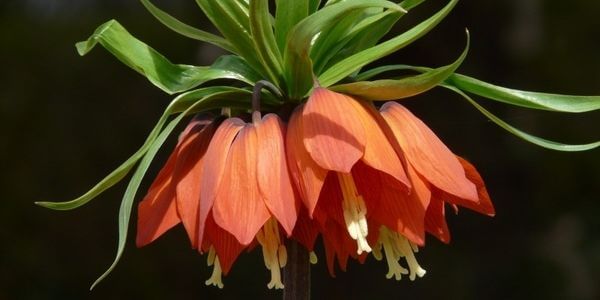
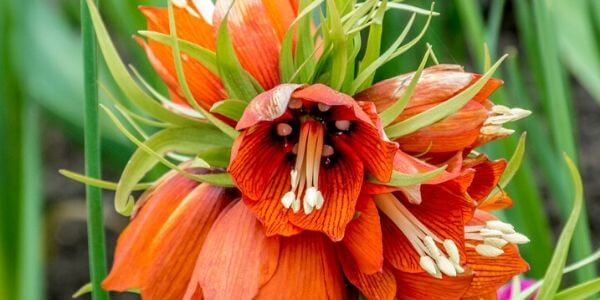 Commonly called Crown Imperial Flowers, its botanical name is Fritillaria imperialis. They are native to mountainous regions of Turkey, western Iran and eastwards to Kashmir. They are spectacular clusters of bell shaped flowers that blooms in the late spring. They are available in red, yellow and orange colors with a 3 foot tall flower stalk. These plants are lesser known perennials and they make a striking border for any garden. They are 1 to 3 feet tall erect stalks that are topped with pointed leaves and circular collection of hanging, bell shaped flowers.The flower Crown Imperail conjures pomp and pageantry and also it is amongst the first ornamental species that was cultivated by the mankind. The latin name fritilus means diced cup that was chosen because of the shape of flowersand as the plant have pointed leaves the name is imperium which means empire.
Uses of Crown Imperial Flower
- It is used as an expectorant and it is also used to encourage the increased breast milk production.
- The bulb of the plant is diuretic, emollient and resolvent.
- Bulb can be cooked and consumed as it is a minor source of starch.
- It is also a cardiac poison.
- The fresh plant also contains the toxic alkaloid imperialine.
Interesting Facts
- This plant has a very pungent smell and so you should keep it away from windows that the smell does not enter the home.
- Their musky scent will keep the rodents away from your garden.
- The flowers of Lutea variety are yellow, Rubra Maxima are bright red blossoms and Aurora, Prolifer and Aureomarginata are all orange or red color.
- The flower produces large drops of nectar that attract bees and butterflies.
- This plant is so distinctive that it becomes the stuff of myths and legends.
- It is also believed that Crown Imperial was once pure white and grew in the Garden of Gethsemane and when Jesus was arrested every flower bowed its head.
Soil needed
- They require deep, rich, well drained loamy soil.
- This plant loves high sun exposure.
How to plant
- Grow the bulb in the bed that receives minimum of 6 to 8 hours of daily sunlight.
- Maintain 9 to 12 inches spacing between the plants.
- Plant bulbs at the depth of 30 cm as shallow planting will lead to poor flowering.
- They can be propagated by division or from seeds.
- They should be planted in autumn for mid spring blooms and they are quite large.
Maintenance and Care
- Cut back the foliage to the ground after it dies back naturally in summer.
- Divide the bulbs every 3 to 5 years in fall when the plants become crowded.
- Spread 1 inch of compost and cover the compost with 2 inch layer of mulch to prevent weed growth and for water insulation.
- Water is regularly required during dry spells because usually the flowering takes place in spring.
- The plant is vulnerable to rust and leaf spots but is also very good at repelling pests.