
Embrace Green Living: Discover Non-Toxic Indoor Plants to Brighten Your Space
Published · Plants · Send Gifts
In today's fast-paced world, it's easy to forget the importance of connecting with nature. But what if you could bring a slice of the outdoors into your home? Imagine lush greenery adorning your living space, adding beauty and enhancing your well-being. That's where non-toxic indoor plants come in. Let's delve into green living and discover how these plants can transform your home environment.
Setting the Scene: The Importance of Greenery Indoors
Picture this: You walk into a room filled with vibrant, leafy plants. Instantly, you feel a sense of calm wash over you. That's the magic of greenery indoors. It's like having a mini oasis amid our concrete jungles.
The Power of Non-Toxic Indoor Plants: Enhancing Health and Well-being
But it's not just about aesthetics. Non-toxic indoor plants can purify the air we breathe, improve our mood, and even boost our productivity. They're like little green superheroes, silently working their magic to enhance our lives.
What to Expect: A Comprehensive Guide to Non-Toxic Indoor Plants
In this article, we'll explore the world of non-toxic indoor plants and unveil varieties that are safe for your home and easy to care for. Get ready to transform your space into a green haven!
Why Non-Toxic Plants?
Understanding Indoor Air Pollution
Did you know that indoor air can be more polluted than outdoor air? From harmful chemicals emitted by furniture to toxins released by cleaning products, our indoor environments are filled with pollutants. Non-toxic plants act as natural air purifiers, filtering out these harmful substances and making the air cleaner and healthier.
The Dangers of Toxic Plants in Indoor Spaces
Some indoor plants, while beautiful, can pose risks to our health, especially if ingested by children or pets. Toxic plants can cause anything from mild irritation to severe poisoning. Opting for non-toxic varieties allows you to enjoy the beauty of indoor plants without worrying about potential hazards.
Benefits of Non-Toxic Indoor Plants
Non-toxic indoor plants offer a myriad of benefits beyond just air purification. Let's explore some of the reasons why incorporating these plants into your home is a game-changer.
Benefits of Indoor Plants
Improving Air Quality
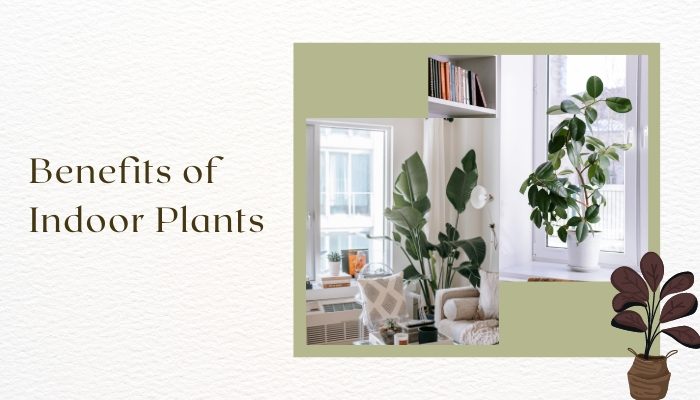
Indoor air pollution is a silent menace, lurking in our homes and affecting our health. However, non-toxic indoor plants have the power to combat this issue. Through photosynthesis, these plants absorb harmful pollutants like formaldehyde and benzene, releasing fresh oxygen into the air. It's nature's way of detoxifying our indoor spaces.
Boosting Mood and Reducing Stress
Have you ever noticed how walking in the park or hiking in the mountains instantly lifts your spirits? The same principle applies to indoor plants with Plants Delivery. Studies have shown that being surrounded by greenery can reduce stress levels, lower blood pressure, and improve overall well-being. It's like bringing a slice of nature indoors, where it can work its magic on our mental health.
Enhancing Productivity and Creativity
Feeling stuck in a creative rut? Try adding some plants to your workspace. Non-toxic indoor plants have been linked to increased productivity and creativity Send Gifts to USA. Whether it's the calming effect of greenery or the oxygen boost from photosynthesis, having plants around can help you think more clearly and develop innovative ideas.
Adding Aesthetic Appeal to Your Space
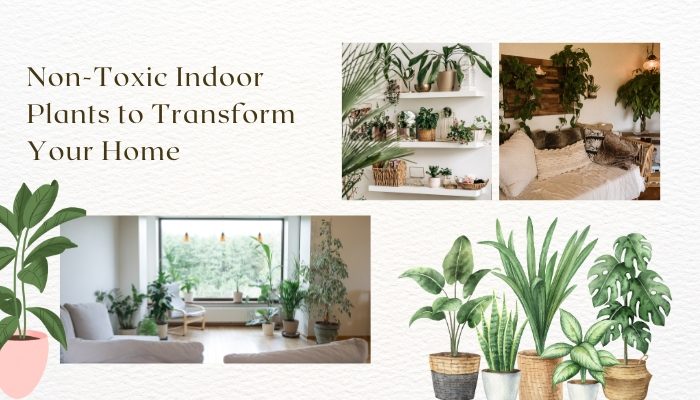
Beyond their health benefits, non-toxic indoor plants are also visually appealing. From elegant ferns to quirky succulents, there's a plant for every aesthetic preference. Whether for a minimalist vibe or a bohemian paradise, indoor plants can add a touch of greenery and life to any space.
Choosing the Right Non-Toxic Plants
Considerations for Indoor Conditions (Light, Temperature, Humidity)
When selecting non-toxic indoor plants, it's crucial to consider your home's environment. Assess the amount of natural light each room receives, the average temperature, and the humidity levels. Different plants have varying light and humidity requirements, so choose ones that align with your home's conditions to ensure optimal growth and health.
Low Maintenance vs. High Maintenance Plants
Are you a busy bee, or do you have a green thumb itching to tend to your plants daily? Select plants that match your lifestyle. Low-maintenance plants like Snake Plants and ZZ Plants thrive with minimal care, making them perfect for beginners or those with a hectic schedule. On the other hand, if you enjoy nurturing your green friends and have the time to devote to them, opt for high-maintenance plants like Peace Lilies or Boston Ferns, which require more attention and care.
Pet-Friendly Options
Do you share your home with furry friends? Ensure the safety of your pets by choosing non-toxic plants. Many common houseplants, such as Spider Plants and Aloe Vera, are safe for pets when ingested in small quantities. However, it's essential to research each plant thoroughly, as some can harm animals if consumed.
Non-Toxic Indoor Plants to Transform Your Home
Snake Plant (Sansevieria trifasciata)
Overview and Characteristics
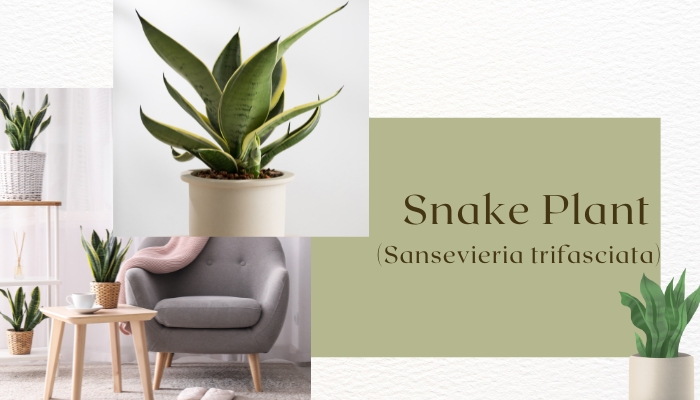
The Snake Plant, also known as Mother-in-Law's Tongue, is a hardy and resilient plant characterized by its upright, sword-like leaves. Originating from West Africa, this plant is revered for its air-purifying properties and ability to thrive in low-light conditions.
Benefits and Care Tips
Snake Plants are champions of air purification, removing toxins such as formaldehyde and benzene from the air. They're virtually indestructible, requiring minimal water, and can tolerate neglect. To care for your Snake Plant, place it in indirect sunlight and water sparingly, and avoid overwatering to prevent root rot.
Styling Ideas: Incorporating Snake Plants Into Your Decor
Embrace Snake Plants' sleek and modern aesthetic by placing them in minimalist pots or tall planters. They make excellent additions to any room, from the bedroom to the bathroom, adding a touch of greenery without overwhelming the space.
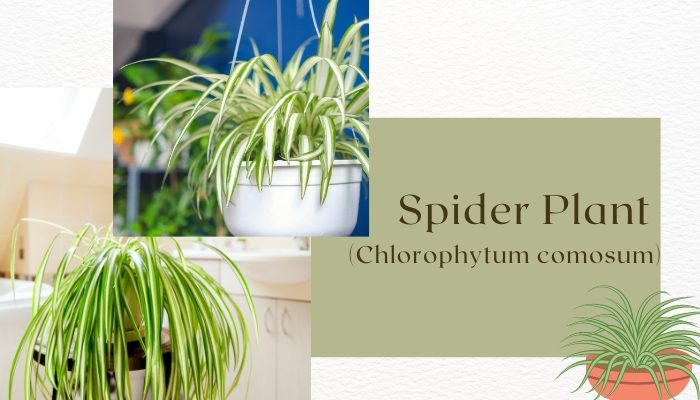
Spider Plant (Chlorophytum comosum)
Introduction to Spider Plants
Spider Plants are renowned for their air-purifying qualities and distinctive arching leaves adorned with tiny plantlets resembling spider legs. Originating from South Africa, these resilient plants are perfect for beginners and seasoned plant parents.
Health Benefits and Care Instructions
In addition to improving indoor air quality by removing pollutants like formaldehyde and carbon monoxide, Spider Plants are safe for pets and humans. They thrive in bright, indirect light and prefer well-draining soil. Keep their soil evenly moist but not soggy to prevent root rot.
Design Inspiration: Using Spider Plants for Visual Impact
Hang Spider Plants in macramé plant hangers near windows or place them on shelves to create a cascading effect. Their arching foliage adds dimension and movement to any space, making them versatile for modern and bohemian interiors.
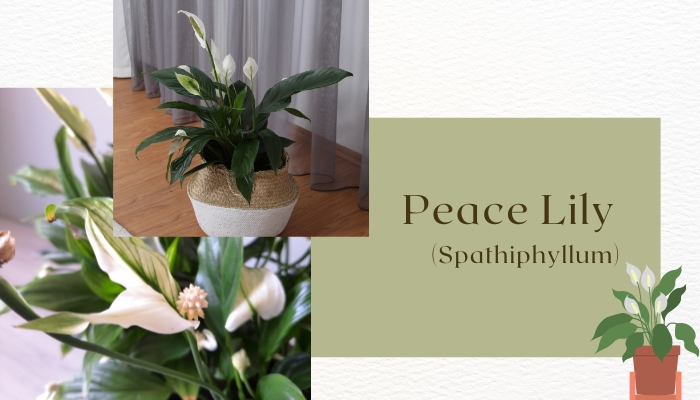
Peace Lily (Spathiphyllum)
Peace Lily: A Symbol of Serenity
The Peace Lily exudes tranquility and grace with its elegant white blooms and lush green foliage. Originating from tropical regions of the Americas, this symbol of peace and harmony is a beloved choice for indoor gardens.
Maintenance Tips for Thriving Peace Lilies
Peace Lilies thrive in low to moderate light conditions and prefer consistently moist soil. Keep their leaves dust-free by gently wiping them with a damp cloth to ensure optimal photosynthesis. Peace Lilies can bloom year-round with proper care, bringing beauty and serenity to your home.
Creative Ways to Display Peace Lilies in Your Home
Showcase the beauty of Peace Lilies by placing them in decorative pots or baskets as standalone statement pieces or grouping them with other plants to create a lush oasis. Their glossy leaves and delicate flowers add a touch of elegance to any room, from the living room to the office.
[caption id="attachment_48469" align="aligncenter" width="700"]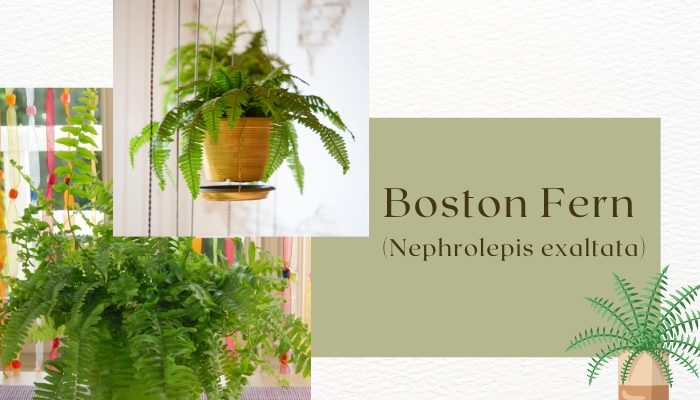 Boston Fern[/caption]
Boston Fern (Nephrolepis exaltata)
Exploring the Beauty of Boston Ferns
Step into a tropical paradise with Boston Ferns, known for their feathery fronds and lush greenery. Native to humid forests, these ferns thrive in environments with high humidity and indirect light, making them ideal for bathrooms and kitchens.
Caring for Boston Ferns: Essential Tips
Boston Ferns require consistent moisture to thrive, so keep their soil evenly moist and provide ample humidity by misting them regularly or placing them near a humidifier. Avoid direct sunlight, as it can scorch their delicate fronds, causing them to turn yellow.
Incorporating Boston Ferns Into Different Rooms
Elevate the ambiance of your home by hanging Boston Ferns in decorative macramé planters or placing them on plant stands to create a lush focal point. Their airy foliage adds a touch of nature to any space, transforming it into a serene retreat.
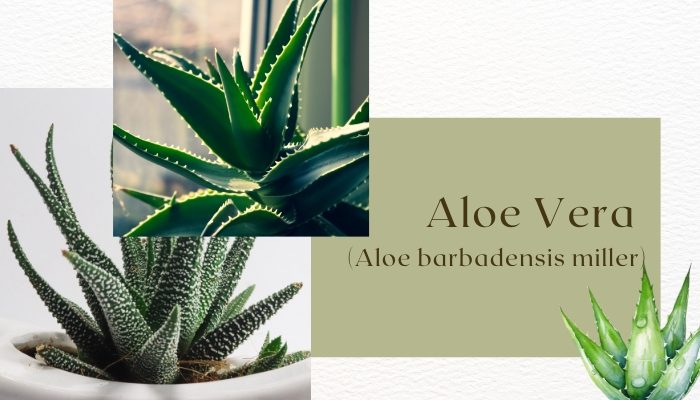
Aloe Vera (Aloe barbadensis miller)
Aloe Vera: More Than Just a Healing Plant
Aloe Vera, hailed as the "plant of immortality" by ancient Egyptians, is prized for its medicinal properties and succulent leaves filled with a soothing gel. Originating from the Arabian Peninsula, this versatile plant is a must-have for every home.
Aloe Vera Care Essentials for Indoor Growth
Aloe Vera thrives in bright, indirect light and well-draining soil. Allow the soil to dry out between waterings to prevent root rot, and place your Aloe Vera near a sunny window for optimal growth. Harvest its gel for skincare remedies or use it as a decorative accent in your home.
Utilizing Aloe Vera for Health and Decor
Incorporate Aloe Vera into your daily routine by using its gel to soothe sunburns, moisturize skin, or as a natural hair conditioner. Display potted Aloe Vera plants on windowsills or shelves to add a touch of greenery to your home while reaping its therapeutic benefits.
FAQs
- Are non-toxic indoor plants safe for pets and children?
Absolutely! Non-toxic indoor plants lack harmful chemicals, making them safe for your furry friends and little ones to be around without worry.
- How do I know if a plant is non-toxic?
You can identify non-toxic plants by researching specific species known for their safe properties or consulting with a knowledgeable plant retailer.
- Can non-toxic plants still purify indoor air?
Non-toxic plants are excellent air purifiers, effectively removing harmful toxins from indoor air and promoting a healthier living environment.
- What are the easiest non-toxic plants to care for?
Plants like pothos, snakes, and spiders are among the easiest, non-toxic plants to care for, requiring minimal maintenance and thriving in various conditions.
- Can I grow non-toxic plants in low-light conditions?
Certainly! Many non-toxic plants, such as ZZ plants and cast iron plants, are well-suited for low-light environments, bringing greenery to even the darkest corners of your home.
Countries where we Deliver: