
Green Gifts: 8 Housewarming Plants That Promise a Positive Aura in Your Home
Published · Housewarming · Plants

Welcome to the world of green gifts! Housewarming plants offer more than just aesthetic appeal; they bring life, positivity, and a breath of fresh air into any new home. Whether you're searching for the perfect gift or looking to add a touch of greenery to your own space, these housewarming plants promise to infuse your home with a positive aura like no other.
The Power of Housewarming Plants
Plants have a remarkable ability to transform any living space into a sanctuary. Not only do they add beauty and charm, but they also purify the air, boost mood, and promote overall well-being. In the hustle and bustle of modern life, housewarming plants serve as gentle reminders to slow down, connect with nature, and appreciate the simple joys of life.
Choosing the Right Plants
When selecting housewarming plants, it's essential to consider factors such as sunlight exposure, available space, and maintenance requirements. Opt for plants that thrive indoors and are resilient enough to withstand occasional neglect. Here are eight housewarming plants that are sure to bring joy and positivity to any home:
Enhancing Aesthetic Appeal
Incorporating Greenery into Home Décor
Plants have the remarkable ability to breathe life into any space. Whether it's a tiny succulent adorning a windowsill or a lush fern cascading from a hanging planter, greenery adds a touch of freshness and vitality to interiors. The vibrant hues of leaves and blossoms infuse rooms with color, creating visually stunning focal points that captivate the eye and uplift the spirit.
Beyond Aesthetics: Health Benefits of Houseplants
While the visual allure of plants is undeniable, their significance extends far beyond mere decoration. Houseplants play a crucial role in improving indoor air quality and enhancing overall well-being.
Air Purification
Indoor air pollution is a pressing concern in modern households, where tightly sealed windows and doors can trap harmful pollutants and allergens. Plants act as natural air purifiers, absorbing toxins such as benzene, formaldehyde, and trichloroethylene and releasing oxygen into the atmosphere. Species like the peace lily, spider plant, and snake plant are renowned for their air-cleansing properties, making them invaluable allies in the battle against indoor pollution.
Improving Overall Well-being
In addition to their air-purifying abilities, houseplants offer a myriad of health benefits that promote physical and emotional well-being. Studies have shown that spending time in green surroundings can reduce stress, anxiety, and fatigue while also boosting mood and cognitive function. Nurturing and caring for plants instills a sense of purpose and connection with nature, fostering a greater appreciation for the beauty and resilience of the natural world.
Understanding the Importance of Housewarming Plants
Housewarming plants aren't just decorative items; they are essential for creating a welcoming environment. They have the magical ability to transform any space, making it more vibrant and lively. Beyond aesthetics, houseplants offer numerous psychological benefits. Studies have shown that being surrounded by greenery can reduce stress, boost mood, and improve concentration and productivity. They also purify the air by absorbing harmful toxins, creating a healthier indoor environment for you and your loved ones.
Factors to Consider When Selecting Houseplants
Light Requirements
One crucial factor to consider when choosing housewarming plants is their light requirements. Different plants have different needs when it comes to sunlight. Some thrive in bright, indirect light, while others prefer low-light conditions. Before purchasing a plant:
- Assess the lighting situation in your home.
- If you have a sunny window, consider plants like succulents, snake plants, or peace lilies.
- For darker corners, opt for varieties such as pothos, philodendrons, or ZZ plants that can thrive in low-light environments.
Maintenance Level
Another important consideration is the level of maintenance required by the plants. While some people enjoy the hands-on care that comes with tending to their green companions, others may prefer low-maintenance options that require minimal attention. If you have a busy lifestyle or tend to forget watering your plants, choose species that are forgiving and resilient, such as cacti, succulents, or spider plants. On the other hand, if you enjoy the therapeutic act of nurturing plants, you might opt for more high-maintenance varieties like orchids or ferns.
Space Availability
Consider the available space in your home when selecting houseplants. If you're working with limited space, choose compact varieties that can thrive in small pots or hanging baskets. Plants like spider plants, air plants, or bonsai trees are perfect for adding greenery to tight corners or shelves. If you have ample floor space, you can go for larger plants like fiddle leaf figs, monstera deliciosas, or bird of paradise plants, which make a bold statement and serve as focal points in any room.
Tips for Choosing Plants That Suit Different Lifestyles and Preferences
Busy Individuals
For busy individuals with hectic schedules, low-maintenance plants are the way to go. Consider varieties that can tolerate occasional neglect and don't require frequent watering. Succulents, cacti, and ZZ plants are excellent choices for those who don't have time for daily plant care. Place them in well-draining pots and water them sparingly, and they'll thrive with minimal effort on your part.
Plant Enthusiasts
If you're a plant enthusiast who enjoys spending time nurturing your green companions, you have a wide range of options to choose from. Experiment with different species, from exotic orchids to rare tropical ferns, and create your indoor jungle. Invest in quality potting soil, decorative planters, and plant care tools to ensure your plants receive the best possible care. Join online plant communities or local gardening clubs to exchange tips and experiences with fellow plant lovers.
Pet-Friendly Options
For pet owners, choosing houseplants that are safe for furry friends is crucial. Many common houseplants are toxic to cats and dogs if ingested, so it's essential to do your research before bringing any new plants into your home Housewarming Plants Delivery. Opt for pet-friendly varieties like spider plants, Boston ferns, or African violets that are non-toxic to animals. Place toxic plants out of reach or consider hanging them from the ceiling to prevent curious pets from nibbling on them.
Top 8 Housewarming Plants for Positive Vibes
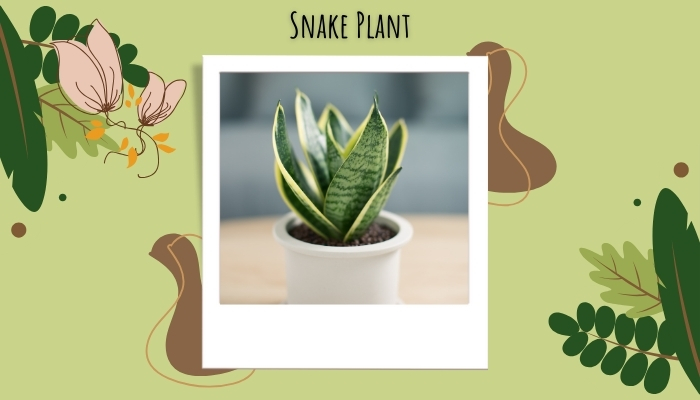
1.Snake Plant: The Resilient Guardian
Air-Purifying Properties
The snake plant, also known as Sansevieria trifasciata, is renowned for its exceptional air-purifying abilities. This sturdy plant acts as a natural filter, removing toxins such as formaldehyde and benzene from the air, thus enhancing indoor air quality and promoting a healthier environment for you and your loved ones.
Resilience and Low Maintenance
What sets the snake plant apart is its remarkable resilience and low maintenance requirements. Whether you're a seasoned plant parent or a novice enthusiast, the snake plant thrives in various conditions, from bright sunlight to low-light environments. With minimal watering and occasional sunlight, this resilient guardian will flourish effortlessly, making it the perfect companion for busy lifestyles.
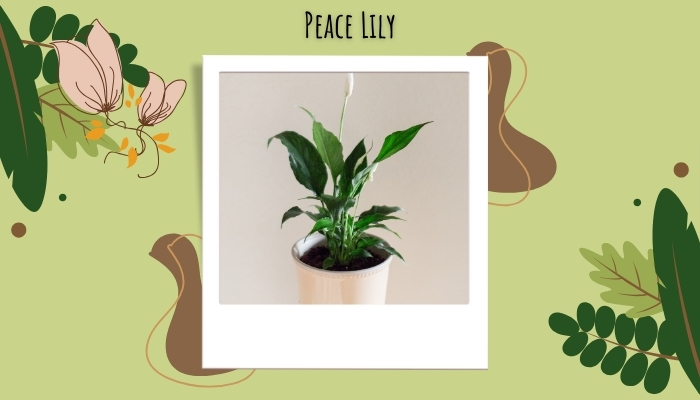
2.Peace Lily: Bringing Serenity and Clean Air
Indoor Pollution Reduction
The peace lily, scientifically known as Spathiphyllum, is not only revered for its graceful appearance but also valued for its ability to reduce indoor pollutants. This elegant plant acts as a natural air purifier, absorbing harmful substances like ammonia, formaldehyde, and benzene, thereby improving air quality and promoting a healthier living environment.
Elegant Blooms and Symbolism
One of the most captivating features of the peace lily is its elegant white blooms, which symbolize peace, purity, and tranquility. Beyond its aesthetic appeal, the peace lily serves as a gentle reminder to cultivate harmony and balance within your home, creating a serene sanctuary where stress and negativity fade away.
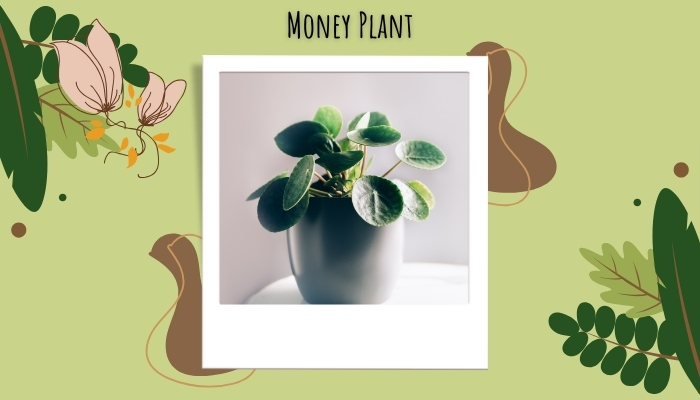
3.Money Plant: The Symbol of Prosperity
Prosperity and Good Fortune
The money plant, scientifically known as Epipremnum aureum, has long been associated with prosperity, abundance, and good fortune in various cultures around the world. Believed to attract wealth and luck, this plant serves as a powerful symbol of financial success and material abundance, making it a popular choice for housewarming gifts and decorations.
Trailing Vines and Easy Care
With its trailing vines and heart-shaped leaves, the money plant adds a touch of elegance and charm to any living space. Despite its auspicious symbolism, this plant is incredibly easy to care for, thriving in indirect sunlight and requiring minimal watering. Whether displayed in a hanging basket or potted on a shelf, the money plant brings a sense of prosperity and vitality to your home.
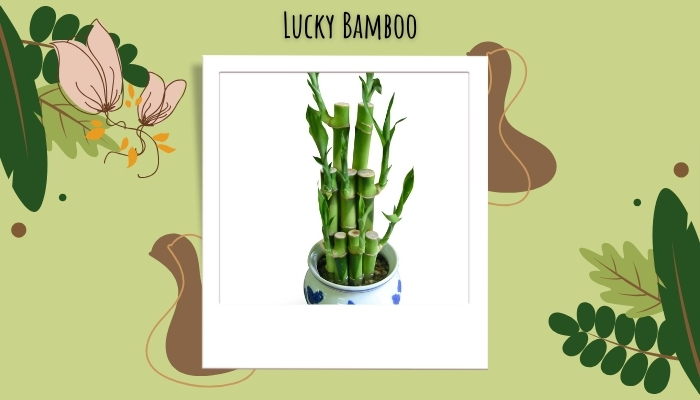
4.Lucky Bamboo: The Charm of Prosperity
When it comes to housewarming plants, Lucky Bamboo (Dracaena sanderiana) undoubtedly tops the list. This elegant plant is not just visually appealing but also carries profound cultural significance. In many Asian cultures, Lucky Bamboo is believed to bring luck, prosperity, and good fortune to its owners.
Cultural Significance and Symbolism
The intricate patterns formed by its stalks are said to resemble the Chinese character for prosperity, making it a popular choice for gifts during celebrations and auspicious occasions. Additionally, the number of stalks in a Lucky Bamboo arrangement holds significance, with each number representing different blessings and fortunes.
Care Tips for Longevity
Despite its delicate appearance, Lucky Bamboo is surprisingly easy to care for, making it an ideal housewarming gift for both seasoned and novice plant enthusiasts. To ensure its health and longevity, place the plant in indirect sunlight and change the water every two to four weeks. Avoid using tap water as it may contain chemicals harmful to the plant.
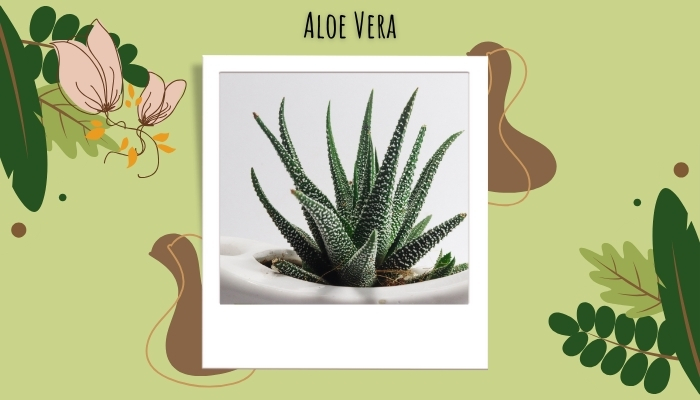
5.Aloe Vera: Nature's Healing Touch
Aloe Vera (Aloe barbadensis miller) is not just a beautiful addition to your home; it's also a powerhouse of medicinal properties and skincare benefits. This succulent plant has been used for centuries for its therapeutic properties and is a must-have for every household.
Medicinal Properties and Skincare Benefits
The gel-like substance found in the leaves of aloe vera contains a myriad of vitamins, minerals, and antioxidants that offer a wide range of health benefits. From soothing sunburns and minor cuts to promoting hair growth and improving skin health, aloe vera is a versatile plant with numerous applications.
Easy Care Requirements
One of the best things about Aloe Vera is its low-maintenance nature. This hardy plant thrives in bright, indirect sunlight and well-draining soil. Water the plant deeply but infrequently, allowing the soil to dry out completely between waterings. Overwatering can lead to root rot, so it's essential to exercise caution and water sparingly.
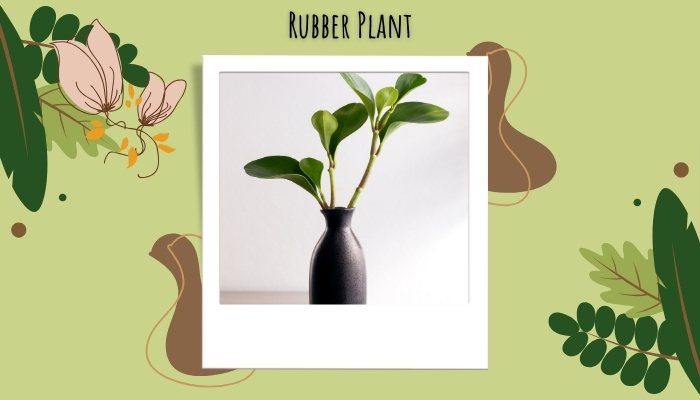
6.Rubber Plant: Bold and Resilient
If you're looking to make a statement with your housewarming plant, look no further than the Rubber Plant (Ficus elastica). With its bold foliage and striking presence, this tropical beauty is sure to captivate everyone's attention.
Statement-Making Foliage
The glossy, dark-green leaves of the Rubber Plant add a touch of elegance and drama to any space. Whether placed in a corner of the living room or showcased as a centerpiece on the dining table, this plant effortlessly elevates the aesthetic appeal of your home.
Air-Purifying Qualities and Resilience
In addition to its visual appeal, the Rubber Plant also boasts impressive air-purifying qualities, making it a valuable asset for indoor air quality. It absorbs harmful toxins from the air, such as formaldehyde and benzene, and releases oxygen, creating a healthier environment for you and your family.
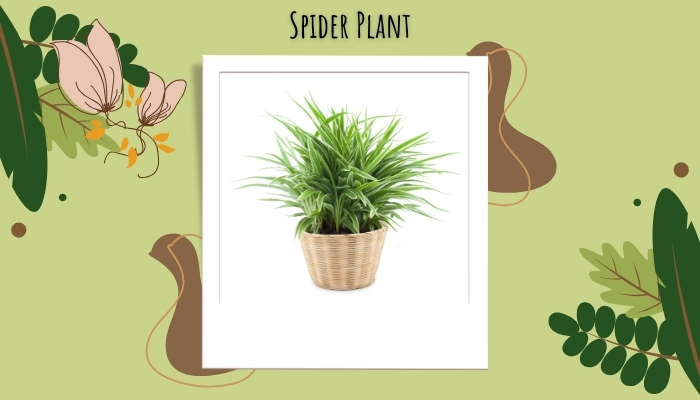
7.Spider Plant (Chlorophytum comosum)
A Natural Air Purifier
The Spider Plant, with its gracefully arching leaves, isn't just a pretty addition to your home; it's a powerhouse when it comes to purifying the air. This plant is renowned for its ability to remove toxins like formaldehyde and carbon monoxide, making it ideal for creating a healthier indoor environment.
Adaptable and Versatile
One of the Spider Plant's most remarkable features is its adaptability. Whether you place it in bright, indirect light or low light conditions, it thrives effortlessly. Its versatility extends to its growth habits, as it's well-suited for hanging baskets, adding a touch of greenery to any corner of your home.
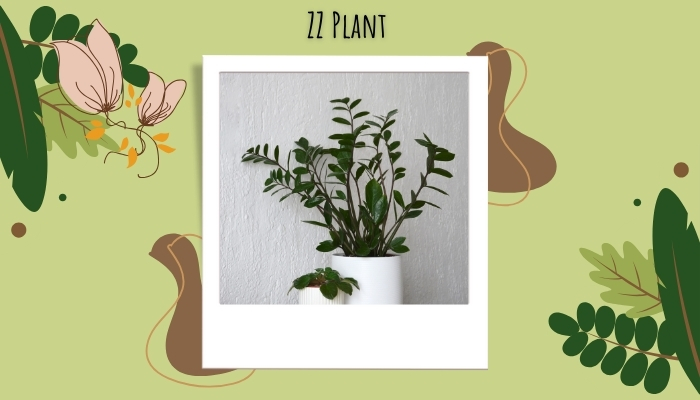
8.ZZ Plant (Zamioculcas zamiifolia)
Lustrous, Dark Green Foliage
The ZZ Plant is celebrated for its lush, glossy leaves that add an elegant touch to any room. Its deep green hue and waxy texture create a striking visual contrast against neutral backgrounds, making it a favorite among interior decorators.
Thrives in Low-Light Environments
If you're worried about finding the perfect spot with ample sunlight, fret not. The ZZ Plant is incredibly resilient and can thrive in low-light conditions, making it an excellent choice for rooms with limited natural light. Additionally, its ability to withstand periods of neglect and minimal watering requirements make it a hassle-free plant for busy homeowners.
Caring for Your Housewarming Plants: Essential Tips for Indoor Greenery
Bringing home a new plant is like welcoming a new member into your family. These leafy companions not only beautify your living space but also provide a breath of fresh air and a sense of tranquility. However, caring for indoor plants requires a delicate touch and a bit of know-how. Let's explore some essential tips to ensure your housewarming plants thrive in their new environment.
General Care Guidelines
Watering Frequency: How Much is Too Much?
Watering is a crucial aspect of plant care, but it's easy to overdo it. Different plants have different watering needs, so it's essential to do your research. Generally, it's better to underwater than overwater, as too much water can lead to root rot and other issues. A good rule of thumb is to water when the top inch of soil feels dry to the touch.
Light Requirements: Shedding Light on Sunlight Needs
Just like humans, plants need sunlight to thrive. Some plants prefer bright, indirect light, while others thrive in low-light conditions. Place your plants near windows or under artificial grow lights to ensure they get the light they need. Rotate them periodically to ensure even growth.
Soil Considerations: The Dirt on Soil Types
The type of soil you use can make a significant difference in your plant's health. Most indoor plants prefer well-draining soil that retains moisture without becoming waterlogged. You can purchase pre-made potting mixes or create your own by combining equal parts potting soil, perlite, and peat moss.
Troubleshooting Tips
Overwatering: Drowning Your Plants' Sorrows
Overwatering is one of the most common mistakes new plant parents make. Signs of overwatering include yellowing leaves, wilting, and moldy soil. If you suspect you've been overwatering your plants, allow the soil to dry out completely before watering again. Ensure your pots have proper drainage to prevent water from pooling at the bottom.
Pesky Pests: Dealing with Unwanted Visitors
Nothing ruins the joy of plant parenthood like discovering pests infesting your greenery. Common indoor plant pests include aphids, mealybugs, and spider mites. Combat these intruders by regularly inspecting your plants for signs of infestation and using natural remedies like neem oil or insecticidal soap to eliminate them.
Yellowing Leaves: Signs of Distress
Yellowing leaves can indicate a variety of issues, including overwatering, underwatering, nutrient deficiencies, or pests. Take note of any other symptoms your plant is displaying and adjust your care routine accordingly. Trim away any yellowed or damaged leaves to encourage new growth.
DIY Plant Care Solutions
Natural Insect Repellents: Keeping Bugs at Bay, Naturally
Instead of reaching for chemical pesticides, consider using natural insect repellents to keep pests at bay. Planting aromatic herbs like lavender, basil, or rosemary near your indoor plants can help repel insects. You can also create a homemade insect-repellent spray using ingredients like garlic, chili peppers, and dish soap.
Homemade Fertilizers: Feeding Your Plants with Love
Commercial fertilizers can be expensive and full of synthetic chemicals. Fortunately, you can create your organic fertilizers using household items like coffee grounds, eggshells, and banana peels. These natural fertilizers provide essential nutrients to your plants without the risk of chemical buildup.
Repotting and Propagating: Helping Your Plants Thrive
As your plants grow, they may outgrow their pots or become root-bound. Repotting allows them to spread their roots and continue to thrive Housewarming Gifts Delivery. When repotting, choose a pot that's slightly larger than the current one and use fresh potting soil. You can also propagate your plants by taking cuttings and rooting them in water or soil, creating new plants to share with friends or expanding your indoor jungle.
Incorporating Plants into Your Home
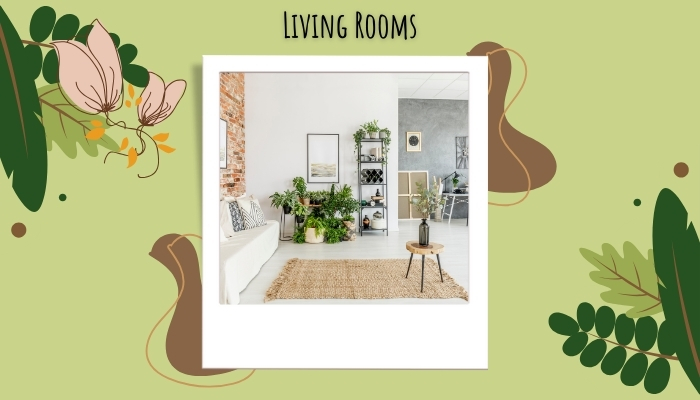
Living Rooms
In the heart of every home lies the living room, a space where families gather, conversations flow, and memories are made. By introducing plants into this central hub, you can instantly breathe life into the room and create cozy corners of tranquility. Opt for resilient varieties that thrive in low-light conditions, such as pothos or snake plants, to adorn shelves, coffee tables, or empty corners. These green companions not only add visual interest but also purify the air, creating a healthier indoor environment for you and your loved ones.
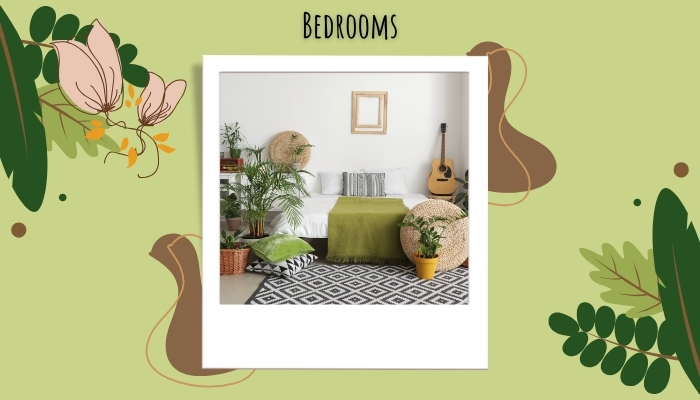
Bedrooms
Your bedroom serves as a personal haven, a sanctuary where you retreat to unwind and recharge after a long day. Infusing this intimate space with the calming presence of plants can work wonders in promoting relaxation and restful sleep. Consider incorporating species known for their air-purifying properties, such as peace lilies or spider plants, to improve indoor air quality and create a tranquil atmosphere conducive to peaceful slumber. With their gentle foliage and subtle fragrance, these green allies are sure to transform your bedroom into a serene oasis of serenity.
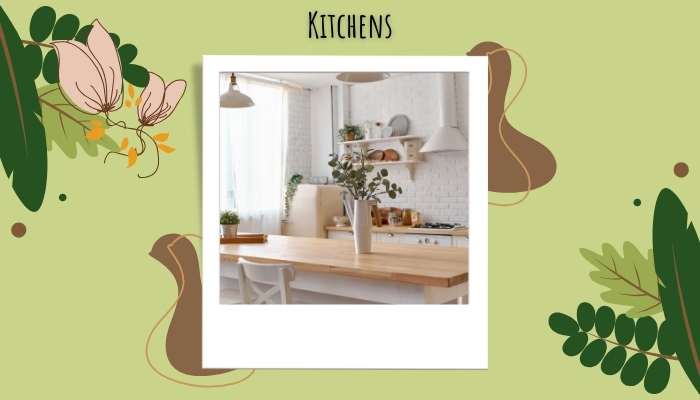
Kitchens
The kitchen is not only the heart of the home but also a bustling hub of culinary creativity and nourishment. Elevate this functional space by introducing a touch of greenery that not only adds visual appeal but also serves a practical purpose. Herb gardens, nestled on sunny windowsills or perched atop countertops, provide a convenient source of fresh flavors for your culinary endeavors. From aromatic basil to zesty mint, these edible treasures not only enhance your dishes but also infuse your kitchen with vibrant energy and vitality.
Selecting Planters and Containers
Complementing Décor
When it comes to selecting planters and containers for your indoor garden, aesthetics are just as important as functionality. Choose vessels that complement your existing décor scheme and reflect your personal style preferences. From sleek ceramic pots to rustic woven baskets, the options are endless. Experiment with different shapes, sizes, and textures to create visual interest and harmony throughout your home. Remember, the right planter can elevate the beauty of your plants and turn them into stunning focal points within your living space.
Feng Shui and Plants
Understanding Feng Shui
Feng Shui, the ancient Chinese art of harmonizing the energy flow in our surroundings, offers valuable insights into creating balanced and harmonious living spaces. At its core, Feng Shui emphasizes the importance of achieving a harmonious balance between the various elements of nature, including plants. By understanding the principles of Feng Shui, you can harness the positive energy of plants to promote health, happiness, and prosperity in your home.
Promoting Positive Energy
When strategically placed, plants can serve as powerful tools for enhancing the flow of positive energy, or chi, within your living space. By placing plants in specific areas according to Feng Shui principles, you can create a sense of balance, harmony, and vitality throughout your home. For example, placing lush greenery near entryways can invite prosperity and abundance into your life, while positioning plants in the bedroom can promote restful sleep and emotional well-being. By incorporating these simple yet profound practices into your home, you can cultivate a nurturing environment that supports and sustains you on your journey through life.
creating a positive plant environment in your home is not just about enhancing its visual appeal; it's about nurturing your soul and fostering a deeper connection with nature international gifts delivery. By incorporating plants into different areas of your home, selecting planters that complement your décor, and embracing the principles of Feng Shui, you can transform your living space into a vibrant sanctuary of tranquility and well-being. So go ahead, unleash your creativity, and let the beauty of nature flourish within your home.
FAQs
- Can I incorporate artificial plants into my home for a similar effect?
While artificial plants may offer convenience, they lack the air-purifying properties and natural energy of live plants. Consider opting for real plants whenever possible to reap the full benefits of indoor gardening.
- I don't have a green thumb. Are there any low-maintenance plants I can start with?
Absolutely! There are plenty of hardy houseplants, such as succulents, pothos, and snake plants that require minimal care and thrive in various indoor conditions. Start with these resilient varieties to build your confidence as an indoor gardener.
- How can I prevent overwatering my indoor plants?
Overwatering is a common mistake among indoor gardeners. To prevent this, always check the soil moisture before watering and ensure proper drainage in your plant containers. Additionally, follow a watering schedule based on each plant's specific needs.
- Are there any plants that are harmful to pets?
Yes, some common houseplants can be toxic to pets if ingested. Before introducing any new plants into your home, research pet-friendly options and keep toxic varieties out of reach of curious pets.
- Can I use plants to improve the acoustics in my home?
Absolutely! Certain plants, such as ferns and palms, can help absorb sound waves and reduce noise levels in indoor spaces. Strategically placing these acoustic-friendly plants near windows or doors can effectively dampen sound and create a more peaceful environment.