
How Christmas Is Celebrated in Argentina
Published · Christmas Gifts · Send Gifts · Chocolate

Table of Contents
- Christmas in Argentina: A Summer Celebration
- Traditional Argentine Christmas Eve (Nochebuena)
- Festive Foods and Christmas Chocolate Traditions
- Gift-Giving Customs and Christmas Presents
- Religious Celebrations and Midnight Mass
- New Year's Traditions in Argentina
- Sending Christmas Gifts to Argentina
- FAQ Section
Introduction
Imagine celebrating Christmas in Argentina under the warm summer sun, gathering with family for a midnight feast, and watching fireworks light up the December sky. If you're used to snowy winter holidays, Argentina's Christmas traditions might surprise you!
In this South American country, Christmas is celebrated in Argentina during summer, creating unique customs that blend European traditions with local flair. From festive asados (barbecues) to chocolate-covered treats and late-night celebrations, Argentine Christmas has its own special magic. Whether you're planning christmas gifts delivery to Argentina for loved ones or simply curious about global holiday traditions, this guide will walk you through everything that makes Christmas in Argentina truly special.
1. Christmas in Argentina: A Summer Celebration
How Christmas is celebrated in Argentina differs dramatically from Northern Hemisphere traditions because December falls during summer in the Southern Hemisphere. With temperatures reaching 75-95°F (24-35°C), Argentines have adapted their celebrations to embrace the warm weather.
The Summer Christmas Atmosphere
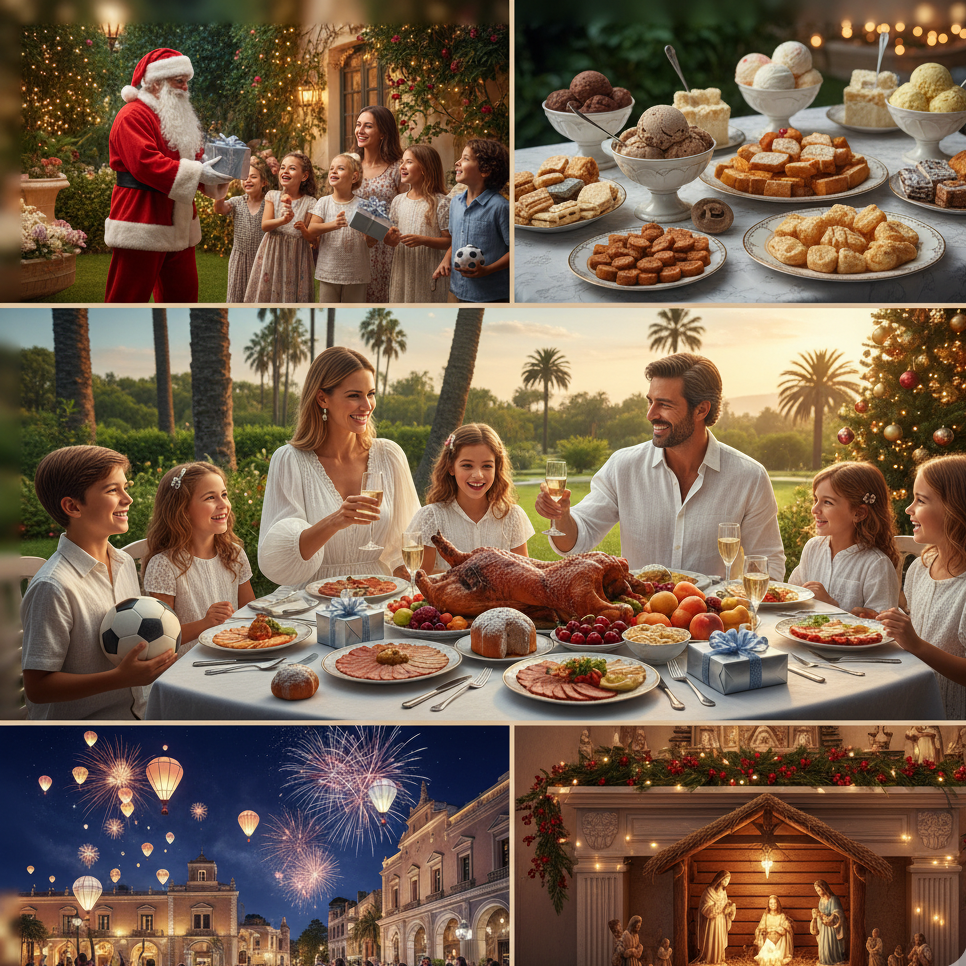
Instead of bundled-up carolers and hot cocoa by the fireplace, Christmas in Argentina features outdoor gatherings, swimming pools, and light summer clothing. Many families celebrate in their gardens or at summer homes, taking advantage of the beautiful weather.

Decorating for a Summer Christmas
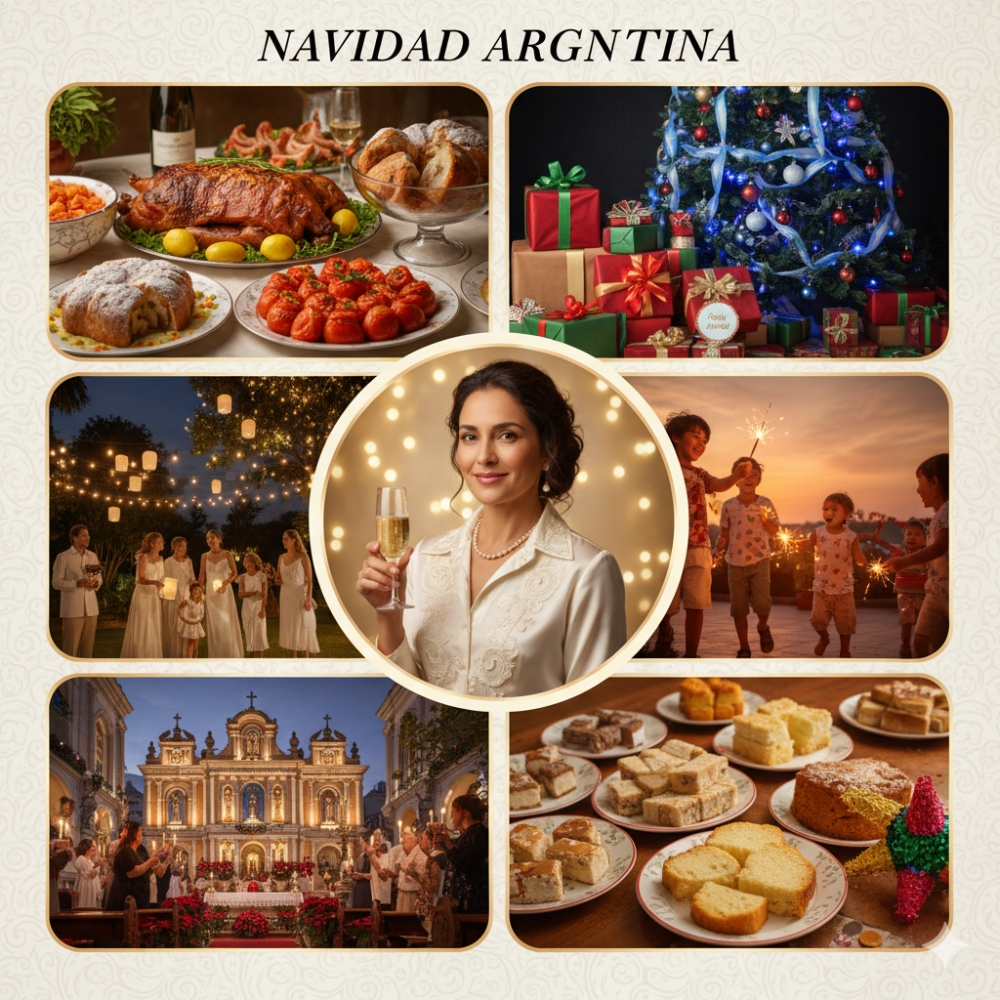
Despite the heat, Argentines still embrace traditional Christmas decorations. You'll find artificial Christmas trees adorned with lights and ornaments, nativity scenes (pesebres), and even cotton meant to represent snow! Some modern families use creative alternatives like chocolate christmas trees as centerpieces, combining decoration with delicious treats.
The Blend of Cultures
Argentina's Christmas traditions reflect its strong European heritage, particularly from Italian and Spanish immigrants. These influences show up in everything from food choices to religious observances, creating a unique blend that's distinctly Argentine.

2. Traditional Argentine Christmas Eve (Nochebuena)
The main celebration in Argentina happens on Christmas Eve, called Nochebuena (literally "Good Night"). This is when families gather for the most important meal and festivities of the holiday season.
The Late-Night Celebration
Unlike many countries where Christmas morning is the highlight, Argentines celebrate primarily on December 24th starting around 9 or 10 PM. The evening begins with appetizers and drinks, building up to the main meal served around midnight.
Family Gatherings Are Everything
Christmas in Argentina is deeply family-oriented. Extended families—grandparents, aunts, uncles, cousins—come together for this special night. It's common for 20-30 people to gather, making it one of the year's biggest family reunions.
The Midnight Toast and Fireworks
As midnight approaches, families prepare for the special moment. At 12:00 AM, everyone raises their glasses (often filled with sparkling cider or champagne) to toast "¡Feliz Navidad!" (Merry Christmas!). This is immediately followed by spectacular fireworks displays that light up the sky across Argentina. Children and adults alike set off fireworks in their neighborhoods, creating a festive atmosphere that continues well into the early morning hours.
3. Festive Foods and Christmas Chocolate Traditions
Food is at the heart of how Christmas is celebrated in Argentina, with unique dishes that reflect the summer season and cultural heritage.

The Christmas Asado
Many Argentine families celebrate with an asado (barbecue), which is perfect for the summer weather. This outdoor feast features various grilled meats including beef, pork, chicken, and sausages (choripán). The person in charge of the grill, called the asador, is respected for their skill in preparing the perfect meal.
Traditional Christmas Dishes
Beyond the asado, typical Christmas foods include:
- Vitel toné: Cold veal in a creamy tuna sauce (an Italian-influenced favorite)
- Pionono: A rolled sponge cake with savory or sweet fillings
- Fresh salads: Tomato, lettuce, and potato salads to balance the rich meats
- Cold cuts and cheeses: Served as appetizers throughout the evening
Christmas Chocolate Delights
Christmas chocolate delivery to Argentina has become increasingly popular for gift-giving. Traditional sweets include:


- Chocolate-covered almonds and hazelnuts
- christmas chocolate covered pretzels with festive decorations
- Turrón: Nougat candy with nuts, brought by Spanish immigrants
- Pan dulce (sweet bread): Similar to Italian panettone, often filled with dried fruits and enjoyed with hot chocolate despite the heat
Festive Desserts
The meal concludes with mantecol (a peanut butter nougat), ice cream, and fruit salads featuring seasonal summer fruits like watermelon, peaches, and grapes. Many families also enjoy chocolate christmas trees as both decoration and dessert.
4. Gift-Giving Customs and Christmas Presents
Understanding gift traditions is essential when arranging Christmas gifts delivery to Argentina for friends or family.
When Gifts Are Exchanged
While some families exchange gifts at midnight on Christmas Eve after the toast, many Argentine children traditionally receive their main presents on January 6th (Three Kings Day or Día de Reyes). This celebrates when the Three Wise Men brought gifts to baby Jesus.


Popular Christmas Gifts
Christmas gift baskets for families are extremely popular in Argentina and typically include:
- Imported chocolates and sweets
- Wine or champagne
- Dried fruits and nuts
- Gourmet foods
- Traditional pan dulce
Modern Gift-Giving Trends
In recent years, many Argentine families have adopted the practice of exchanging gifts on Christmas Eve, influenced by global culture. Chocolate-covered Christmas treats make excellent gifts, especially premium imported varieties that are considered luxury items in Argentina.
Sending Gifts to Argentina
When planning Christmas gifts delivery to Argentina, consider that:
- International shipping should be arranged by early December
- Customs regulations apply to food items
- Gift baskets with non-perishable items work best
- Explore international gift delivery options for reliable service

5. Religious Celebrations and Midnight Mass
Despite increasing secularization, Christmas in Argentina retains strong religious significance for many families.
Misa de Gallo (Rooster's Mass)
Many Argentines attend Misa de Gallo, the midnight Mass on Christmas Eve. Churches across the country hold special services featuring beautiful nativity scenes, traditional carols, and the story of Jesus's birth. The name "Rooster's Mass" refers to the rooster crowing at Christ's birth.
The Nativity Scene Tradition
Almost every Argentine home displays a pesebre (nativity scene) during the Christmas season. These range from simple figurine sets to elaborate displays with landscapes, lights, and multiple scenes. Some neighborhoods even host competitions for the best pesebre displays.
Christmas Day Observances
Christmas Day (December 25th) is relatively quiet compared to Christmas Eve. Many people rest after the late-night celebrations, while some attend church services or have smaller family gatherings. It's a public holiday, so most businesses remain closed.
6. New Year's Traditions in Argentina
The holiday season in Argentina extends through New Year's Eve (Año Nuevo), which rivals Christmas Eve in importance.

Similar Celebrations, Different Energy
New Year's Eve follows a similar pattern to Christmas Eve—late-night family gatherings, festive meals, midnight toasts, and fireworks. However, the atmosphere is more about looking forward to the new year rather than religious observance.
Unique New Year's Customs
Argentines practice several superstitions and customs for good luck:
- Wearing new clothing, especially pink underwear for love or yellow for money
- Eating 12 grapes at midnight, one for each month
- Throwing documents or old papers out the window to symbolize letting go of the past
- Traveling around the block with empty suitcases for good travel luck in the new year

7. Sending Christmas Gifts to Argentina
Whether you're an expat wanting to send gifts home or have loved ones in Argentina, understanding the logistics of Christmas gifts delivery to Argentina ensures your presents arrive on time.
Best Items to Send
Consider these popular options for christmas gift baskets for families in Argentina:
- Chocolate assortments: Premium chocolate covered christmas treats are always appreciated
- International specialty foods: Items not easily available in Argentina
- Seasonal decorations: Unique ornaments or holiday décor
- Gourmet gift baskets: Combining wines, cheeses, and sweets
Timing Your Delivery
For successful christmas chocolate delivery to Argentina:
- Ship by early December at the latest for Christmas Eve delivery
- Consider January 6th (Three Kings Day) as an alternative delivery date
- Account for customs processing time (5-10 days)
- Use trackable, insured shipping methods
Customs Considerations
Argentina has strict customs regulations:
- Declare all items honestly on customs forms
- Be aware that certain foods may be restricted
- Expect potential customs duties on high-value items
- Include gift receipts for easier customs processing
Reliable Delivery Services
GiftBlooms offers specialized international gift delivery, including options for christmas gift baskets for families and chocolate christmas treats sent to Argentina. Professional gift services handle customs paperwork and ensure timely delivery during the busy holiday season.
Conclusion
How Christmas is celebrated in Argentina offers a fascinating glimpse into a culture that beautifully blends European traditions with South American summer warmth. From the late-night Nochebuena feasts and midnight fireworks to the delicious asados and sweet pan dulce, Argentine Christmas traditions create unforgettable memories for families.
The summer setting makes Christmas in Argentina uniquely festive—outdoor celebrations, swimming pool gatherings, and warm weather barbecues replace snowy landscapes and fireside cocoa. Yet the essence remains the same: family togetherness, delicious food, joyful celebration, and the spirit of giving.
Whether you're planning to experience Christmas in Buenos Aires firsthand, arranging Christmas gifts delivery to Argentina for loved ones, or sending chocolate covered Christmas treats to friends abroad, understanding these traditions enriches the experience. The combination of religious observance, family values, and cultural pride makes Argentine Christmas truly special.

FAQs:
What is the main day for Christmas celebrations in Argentina?
Christmas Eve (Nochebuena) on December 24th is the main celebration in Argentina. Families gather for a late dinner starting around 9-10 PM, building up to a midnight toast, fireworks, and sometimes gift exchanges. Christmas Day itself is quieter, used primarily for resting after the late-night festivities. This differs from many countries where Christmas morning is the focal point.
Why is Christmas celebrated during summer in Argentina?
Argentina is located in the Southern Hemisphere, where seasons are opposite to North America and Europe. When it's winter in the Northern Hemisphere (December), it's summer in Argentina. This means Christmas is celebrated in Argentina during warm weather with temperatures between 75-95°F (24-35°C), leading to unique traditions like outdoor barbecues, pool parties, and summer-themed celebrations instead of snowy winter festivities.
What foods are traditionally eaten for Christmas in Argentina?
Traditional Christmas foods in Argentina include asado (barbecued meats), vitel toné (cold veal in tuna sauce), fresh summer salads, cold cuts, and cheeses. For dessert, families enjoy pan dulce (sweet bread similar to panettone), turrón (nougat), mantecol (peanut butter nougat), ice cream, and chocolate covered Christmas treats. Many families also serve Christmas chocolate covered pretzels and other festive sweets alongside champagne or cider for the midnight toast.
When do children receive Christmas presents in Argentina?
Gift-giving traditions in Argentina vary by family. Some children receive presents at midnight on Christmas Eve (December 24th), while others traditionally wait until January 6th for Día de Reyes (Three Kings Day), which celebrates when the Three Wise Men brought gifts to Jesus. Many modern Argentine families now exchange gifts on Christmas Eve, influenced by global traditions. When planning Christmas gifts delivery to Argentina, consider both dates depending on your recipient's family customs.
Can I send Christmas chocolate and gift baskets to Argentina from abroad?
Yes, you can arrange Christmas chocolate delivery to Argentina and send Christmas gift baskets for families through international delivery services. However, plan ahead—ship by early December to ensure arrival before Christmas Eve. Be aware of Argentine customs regulations regarding food items, and use reputable services like GiftBlooms that specialize in international gift delivery and handle customs paperwork. Chocolate christmas trees, gourmet treats, and non-perishable items typically clear customs more easily than fresh foods.
Related Links :