
Rain-Ready Beauties: Unveiling the Charm of Monsoon Flowers
Published · Flower Care · Flower Resource · Flowers · Flowers Delivery
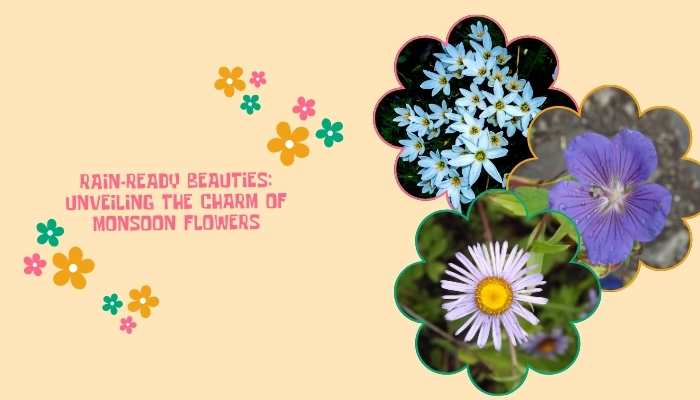
When the first raindrops of the monsoon season kiss the earth, they bring along a vibrant and lush transformation. The gloomy skies and persistent showers refresh the environment; they give life to some of the most exquisite and charming flowers. These rain-ready beauties, also known as monsoon flowers, are nature's way of reminding us that even the rainiest days can have their own unique charm. Have you ever wondered why some flowers thrive when it rains while others wither away? Let's embark on a delightful journey to uncover the secrets and allure of monsoon flowers.
The Enchanting Allure of Monsoon
The monsoon is not just a season; it's an experience. The rhythmic pattern of rain, the cool, crisp air, and the lush greenery create an enchanting atmosphere. This transformation is particularly evident in the world of flora. The rains breathe life into dormant seeds, coaxing them into a spectacular display of colors and fragrances that are uniquely monsoon.
How Rain Transforms Nature's Canvas
Rain is nature's artist, turning the dull, brown earth into a canvas of green splendor. It washes away the dust, quenches plants' thirst, and triggers a growth spurt resulting in blooms. The monsoon flowers, in particular, are a sight to behold, each one a testament to the transformative power of rain.
The Unique Charm of Monsoon Flowers
Why Monsoon Flowers Are Special
Monsoon flowers have a charm all their own. Unlike their spring and summer counterparts, these blooms are hardy, resilient, and capable of thriving in heavy rainfall. They have adapted to the monsoon climate, with some relying on the rains to trigger their blooming flower life cycle. This makes them a symbol of endurance and adaptability.
The Role of Rain in Nurturing These Blooms
Rain plays a crucial role in the life cycle of monsoon flowers. It provides the necessary water and influences soil fertility and humidity levels, creating an ideal environment for these plants to thrive. The result is a diverse array of flowers that are uniquely vibrant and lush during the rainy season.
The Global Phenomenon of Monsoon Rains
Monsoons are not limited to one region; they are a global phenomenon. The most well-known monsoon systems include the South Asian monsoon, the East Asian monsoon, and the West African monsoon. Each system affects large populations and diverse ecosystems, providing the water necessary for agriculture and sustaining biodiversity.
Botanical Adaptations to Rainy Seasons
Plants have developed remarkable adaptations to thrive during the monsoon season. They possess survival strategies to withstand heavy rainfall and saturated conditions. For instance, many monsoon plants have robust root systems that prevent soil erosion and ensure stability. Some species develop waxy leaves to repel excess water, while others have specialized pores that facilitate gas exchange even in wet conditions.
Unique Features of Monsoon Flowers
Monsoon flowers are distinguished by their vibrant colors and resilience. They often bloom in a riot of colors, from deep purples to bright yellows, and are known for their delightful fragrances. This vivid display is not just for show; it plays a crucial role in attracting pollinators. The timing of their bloom coincides with the peak activity of pollinating insects, ensuring successful reproduction.
The Ecological Role of Monsoon Flowers
Monsoon flowers are essential for maintaining ecological balance. They provide food and habitat for insects, birds, and small mammals. Their presence supports biodiversity, fostering a complex web of life that thrives in the rainy season. Additionally, these flowers help in soil conservation by preventing erosion and enhancing soil fertility through organic matter.
Colorful Blooms and Fragrance
The vibrant colors and sweet scents of monsoon flowers result from specific chemical compounds. Pigments like anthocyanins and carotenoids give these flowers stunning hues, while essential oils produce enchanting fragrances. These features attract pollinators and play a role in deterring herbivores and protecting the plants from pathogens.
Monsoon Flowers in Culture and Tradition
Monsoon flowers hold a special place in various cultures around the world. They are often associated with renewal, fertility, and prosperity. In many traditions, these flowers are used in festivals and religious ceremonies, symbolizing the bountiful gifts of the rainy season with international gift delivery. From the Indian festival of Teej to the Japanese Tanabata, monsoon flowers are celebrated and revered.
Popular Monsoon Flowers Around the World
Monsoon seasons are magical, aren't they? The gentle patter of raindrops, the earthy scent that fills the air, and the lush green landscapes are all things that make the monsoon unique. But one of the most enchanting aspects of the rainy season is the burst of colorful flowers that seem to bloom overnight, adding a vibrant touch to the gray, overcast skies. Let's journey worldwide and explore some of the most popular monsoon flowers that thrive in the rain and bring joy and beauty to our lives.
1. Lotus
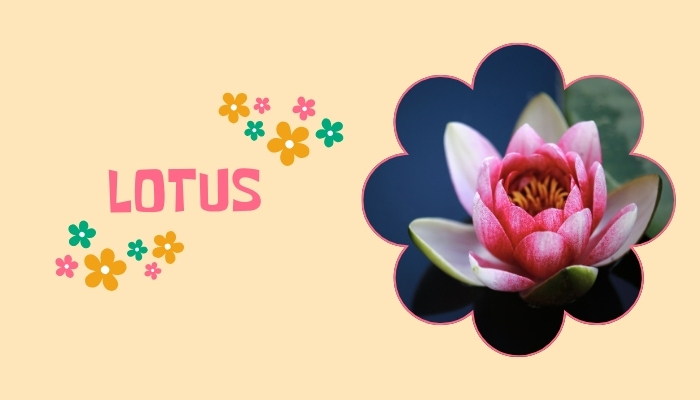
The lotus is not just a flower; it's a symbol of purity, enlightenment, and resilience. Have you ever wondered how something so delicate can emerge from muddy waters? The lotus thrives during the monsoon season, especially in Asian countries like India, China, and Thailand. Its large, striking petals and serene presence make it a favorite among many. The lotus teaches us that beauty can emerge from the most unlikely places, reminding us to stay strong and beautiful no matter our surroundings.
2. Dahlia
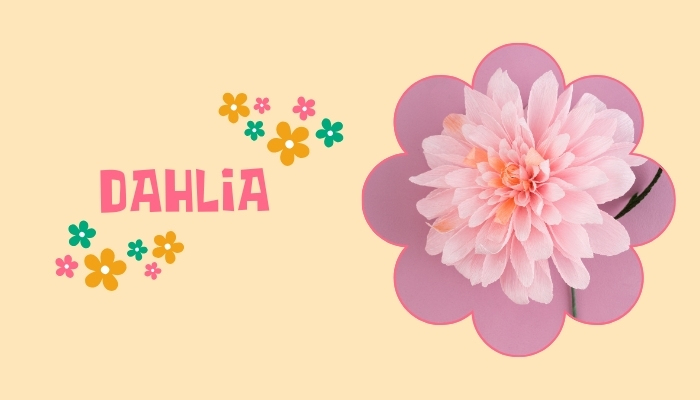
Dahlias are the showstoppers of the monsoon garden. These vibrant blooms come in various colors, shapes, and sizes, making them incredibly popular in Mexico and Central America. Did you know that the dahlia is also Mexico's national flower? Dahlias bring joy to any garden with their intricate petal formations and bright colors. They are a reminder that diversity adds to the beauty of life, just as their diverse forms add to the garden's splendor.
3. Marigold
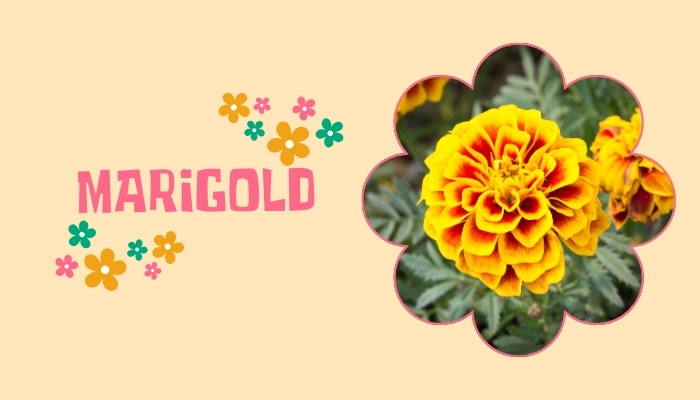
Marigolds are often associated with celebrations and festivals, particularly in India and Mexico. Their bright orange and yellow hues are impossible to miss, even on the rainiest days. Marigolds are not just pretty faces but are also known for their pest-repellent properties, making them a gardener's best friend. These flowers symbolize passion and creativity, reminding us to find joy and color even in mundane tasks.
4. Orchid
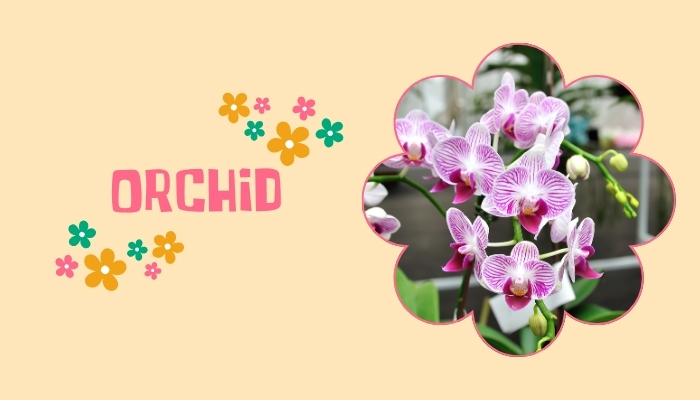
Orchids are the epitome of elegance and mystery. Found in the tropical regions of Southeast Asia and South America, these flowers are known for their unique shapes and vibrant colors. Orchids thrive in the humid, rainy conditions of the monsoon season. Each orchid variety has its own story and charm, much like the people in our lives. Their presence in a garden adds an exotic touch, making them a favorite among flower enthusiasts.
5. Jasmine
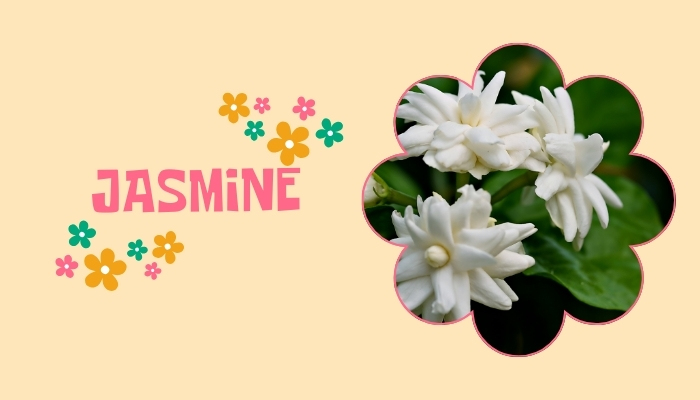
Is there anything more intoxicating than the scent of jasmine flowers on a rainy evening? Jasmine, native to tropical and warm temperate regions, blooms profusely during the monsoon. These small, white flowers pack a punch with their sweet fragrance, often used in perfumes and teas. In countries like India and Egypt, jasmine symbolizes love and beauty. Their scent can transport you to a place of calm and serenity, making them a beloved flower worldwide.
6. Hibiscus
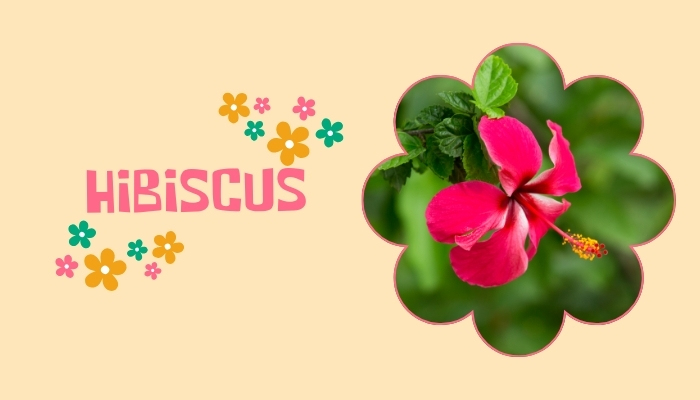
Hibiscus flowers are a tropical delight and come in various colors, from red and pink to yellow and white. These large, trumpet-shaped flowers are common in Hawaii, India, and Malaysia. Hibiscus is admired for its beauty; it has medicinal properties and is used in teas and traditional remedies. These flowers symbolize delicate beauty and new beginnings, perfect for the monsoon season when everything feels fresh and renewed.
7. Tuberose
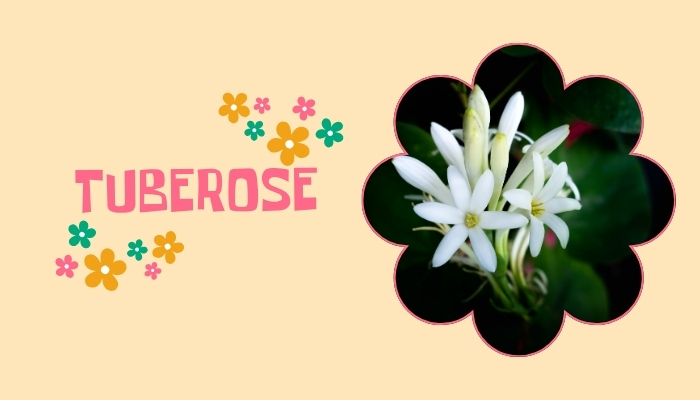
Tuberose, known for its heady fragrance, is a staple in monsoon gardens, especially in India and the Philippines. These white, tubular flowers bloom in clusters and are often used in making perfumes and garlands. The tuberose's fragrance is most potent at night, making them a symbol of nocturnal beauty. Their presence in a garden can transform it into a fragrant haven, especially during damp monsoon nights.
8. Begonia
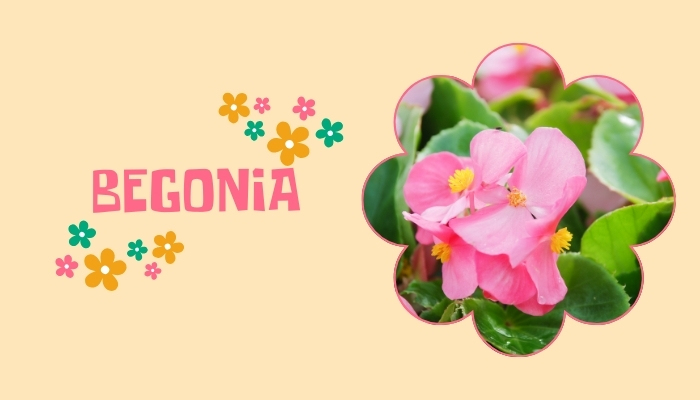
Begonias are versatile and hardy, making them ideal for the monsoon season. Their wide range of colors and patterns adds a splash of color to any garden. Begonias are popular in regions like South America and Africa. They thrive in the shade and can tolerate the heavy rains of the monsoon season. These flowers symbolize caution and uniqueness, reminding us to appreciate the subtle beauties in life.
9. Lily
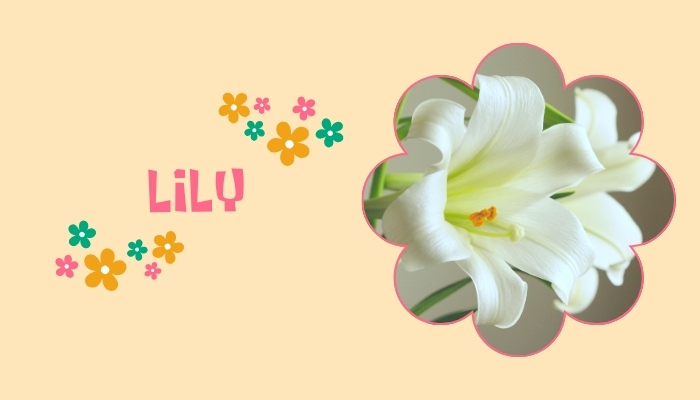
Rain lilies, as the name suggests, bloom with the arrival of the rains. These delicate flowers are a common sight in South America and the Caribbean. Rain lilies come in shades of white, pink, and yellow, and their sudden appearance after a rain shower can be quite a spectacle. They symbolize renewal and hope, as they seem to come to life with the first raindrops, much like our spirits are lifted with new opportunities.
10. Canna
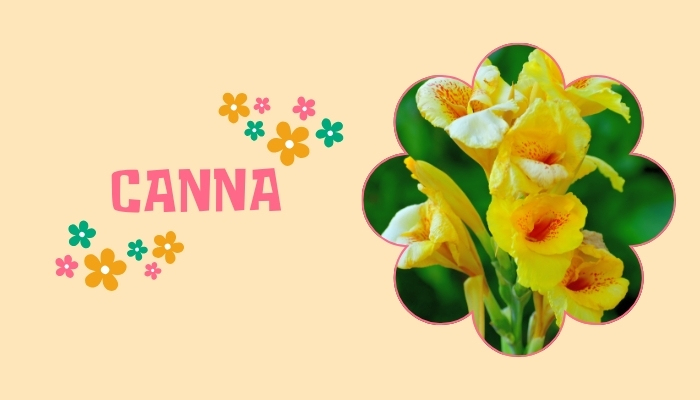
Canna lilies are bold and beautiful, with their large, colorful blooms and lush foliage. These flowers are native to the Americas and thrive in the wet conditions of the monsoon season. Canna lilies are not just ornamental; they are also used in traditional medicine and as food in some cultures. Their vibrant colors and tall stature make them a focal point in any garden, symbolizing confidence and resilience.
Monsoon flowers bring a unique charm to the rainy season, each with its own story and significance. They add color, fragrance, and life to our surroundings, reminding us of the beauty and resilience of nature with Gift ideas for the USA. Whether it's the purity of the lotus, the diversity of the dahlia, or the fragrance of jasmine, these flowers make the monsoon season truly special. So, the next time it rains, take a moment to appreciate the floral beauty that thrives in this magical season.
Caring for Monsoon Flowers
Monsoon flowers, while resilient, do require some care to ensure they thrive throughout the rainy season. Here are some tips to keep your rain-ready beauties in top shape:
- Proper Drainage: Ensure your garden or pots have good drainage to prevent water from accumulating and causing root rot.
- Pruning: Regularly prune your plants to remove any dead or damaged parts, encouraging new growth and preventing disease.
- Fertilizing: Use a balanced fertilizer to provide essential nutrients, but be cautious not to over-fertilize, as this can harm the plants.
- Pest Control: Keep an eye out for pests that thrive in damp conditions, such as snails and slugs, and take appropriate measures to control them.
Challenges Faced by Monsoon Flowers
Despite their resilience, monsoon flowers face numerous challenges. Environmental threats such as deforestation, pollution, and climate change pose significant risks to their survival. Human activities, including urbanization and agriculture, can disrupt their natural habitats, leading to declining populations.
Conservation Efforts
Efforts to conserve monsoon flowers are crucial for preserving biodiversity and ecological health. Various organizations and initiatives focus on protecting these plants through habitat restoration, seed banking, and public awareness campaigns. Success stories, such as the revival of certain endangered species, highlight the positive impact of conservation efforts.
Gardening Tips for Monsoon Flowers
Here are some tips if you're inspired to bring a touch of the monsoon to your garden. Choose native monsoon flowers that are well-adapted to your region's climate. Ensure good drainage to prevent waterlogging, and consider using organic mulch to retain moisture. Regular pruning and protection from pests will help your monsoon garden thrive.
Monsoon Flowers and Climate Change
Climate change is altering monsoon patterns, affecting the growth and survival of monsoon flowers. Unpredictable rainfall and rising temperatures can disrupt their life cycles, making conservation efforts even more critical. Understanding these impacts is essential for developing strategies to protect these plants in a changing world.
Famous Monsoon Flowers Around the World
Monsoon flowers are celebrated globally for their beauty and significance. The fragrant jasmine and vibrant hibiscus in India are iconic with Flowers Delivery. The lotus, often associated with purity, thrives in the monsoon waters of Asia. In Africa, the desert rose blooms with the arrival of rains, showcasing nature's resilience and adaptability.
FAQs
- What are some common monsoon flowers?
Common monsoon flowers include the lotus, dahlia, marigold, orchid, jasmine, hibiscus, tuberose, begonia, rain lily, and canna.
- How do monsoon flowers differ from other seasonal flowers?
Monsoon flowers are specifically adapted to thrive in the wet and humid conditions of the rainy season. They often have features like water-resistant petals and the ability to bloom in lower light conditions.
- Can I grow monsoon flowers in my garden?
Yes, many monsoon flowers can be grown in home gardens. Ensure your garden has adequate drainage, and choose flowers suited to your local climate.
- Why are monsoon flowers important in different cultures?
Monsoon flowers often have cultural and symbolic significance, representing purity, resilience, renewal, and beauty. They are also used in traditional medicines, rituals, and celebrations.
- How can I care for monsoon flowers?
To care for monsoon flowers, ensure they have proper drainage, protect them from waterlogging, and provide adequate sunlight. Regular pruning and feeding with appropriate fertilizers can also help them thrive.
| Countries where we Deliver: | Cities where we Deliver: |
| Send Flowers to Canada | Send Flowers to Saintbruno Canada |
| Buy Flowers from UK | Buy Flowers from Brighton Michigan USA |
| Send Flowers to Germany | Send Flowers to Schwaigern Germany |
| Buy Flowers from Australia | Buy Flowers from Glen Iris Australia |