
Angelica – A Plant of the Apiaceae Family
Published · Flower Resource
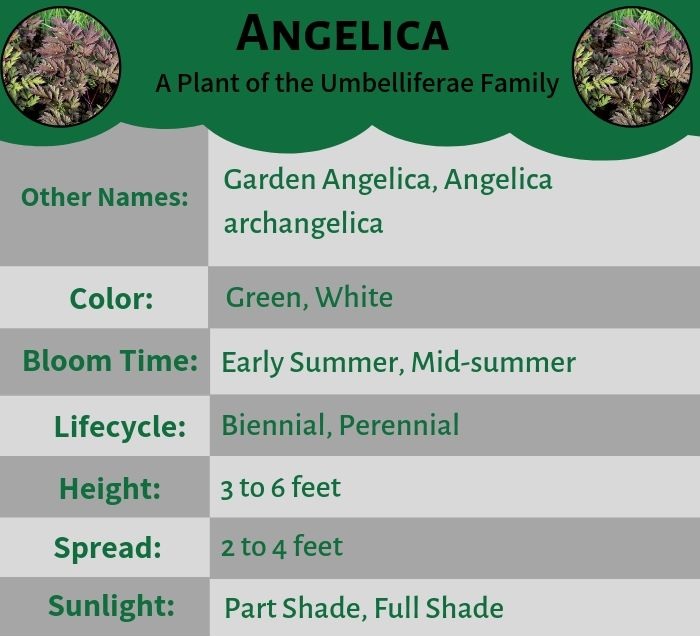
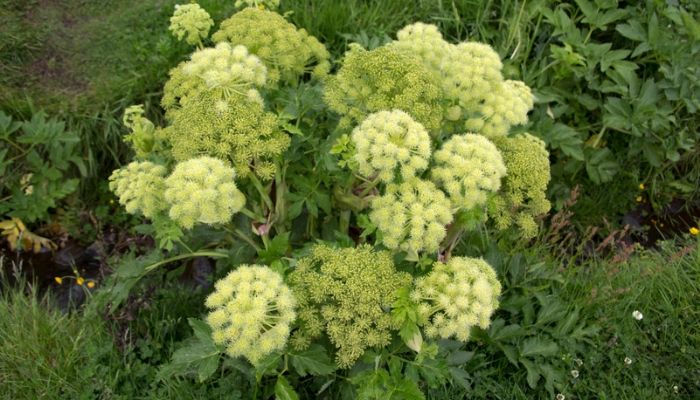
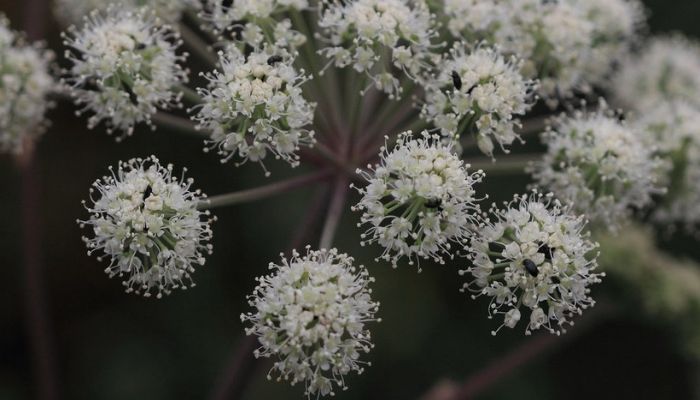
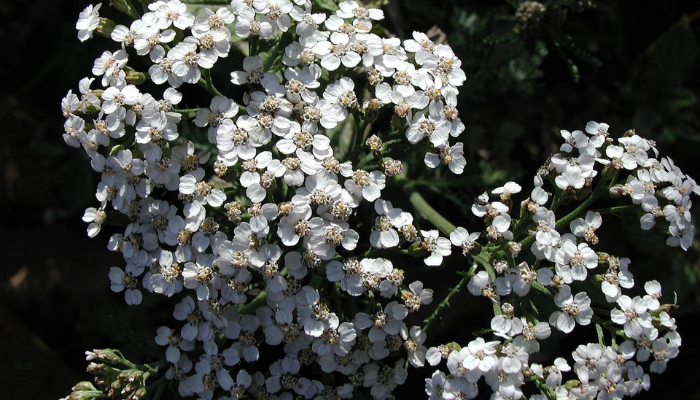 Common name of this flower is garden angelica and its type is Herbaceous Perennial. It belongs to Apiaceae Family. It is native to West Siberia, Europe and Greenland of temperate and sub arctic regions. They are a genus of about 50 species. It is 3 to 6 feet tall and spreads across 2 to 4 feet. It is a nice plant for shady borders as it is upright, rank and large biennial. Above the foliage in the second year there will appear large attractive greenish white flowers.
This flower represents encouragement and inspiration. This flower takes us back to ancient times is related to crown chakra. They are also given as token of love, friendship and affection to our loved ones.
Uses of Angelica
- It is grown in naturalized areas and also in Rain gardens.
- These plants are grown both for ornamental, medicinal and culinary purposes.
- Young shoots are crystallized in sugar for cake decorations.
- Leaves are mixed in many salads.
- Seeds are used commercially for flavoring liquors.
- It cures high fever, Urinary tract infection and upset stomach.
- They are also used for edible landscaping.
Interesting Facts
- They attract bees and they are beneficial to this plant.
- These are large biennials that require wet soil so can be thrived in water gardens, wet meadows and ponds.
- Roots of this herb are used as herbal treatment for Insomnia, Nausea, Kidney health, Asthma etc.
- Cream made from its leaves is able to treat skin irritation.
- Hot compress of its root can help with joint pain.
- Tea made out of leaves relieves menstrual cramps, flatulence and bronchitis.
- The lower classifications of this plant are Norwegian angelica, female ginseng, wild angelica, angelica gigas, angelica acutiloba and others as it is a very wide spread family.
Soil Needed
- It can be easily grown in rich, medium to wet and slightly acidic soil.
- Do not let the soil dry out.
- It tolerates damp soil but the soil must be highly fertile.
- It usually blooms in June till July.
How to Plant?
- It can be propagated through root cuttings in second year. It is a biennial plan so the plant dies in the second year after producing seed.
- New plants should be spaces 4 to 6 inches apart.
- Usually plant is grown from seed and in optimum growing conditions they may self seed.
- It produces foliage in first year and flowers in second year.
- Days to emergence are between 14 and 28.
- Thus they can be propagated by seed, separation and division.
- To maintain the plant sow seeds every year.
Maintenance & Care
- It is a low maintenance plant and requires full to part shade.
- No serious problem of insects or any disease. But watch for aphids, spider mites and leaf miners.
- They are deer resistant and non invasive.
- Red spider mite can attack during dry weather conditions.
- It can also be attacked by diseases like leaf spot, viral and fungal diseases in late summer.