
Baby’s Breath - A Plant of the Gypsophila Family
Published · Flower Resource
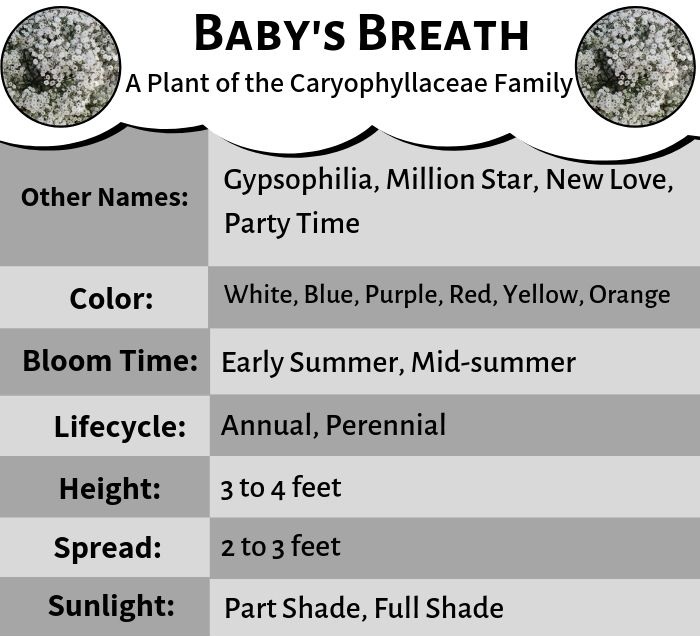
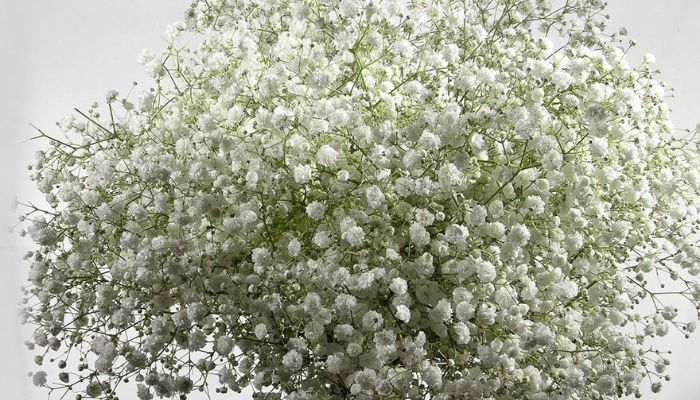
 This plant belongs to Caryophyllaceae family and has a common name Gypsophila. These plants are native to Eastern Europe especially Turkey. They branch heavily in early to mid summer and are very tiny flowers. The foliage is greenish blue and quite narrow. The genus’s meaning in Latin is friendship with gypsum as one of the species is grown on gypsum rocks. These plants bloom in June and July. They grow up to 1 to 2 feet height bearing profusion of white and pink flowers.
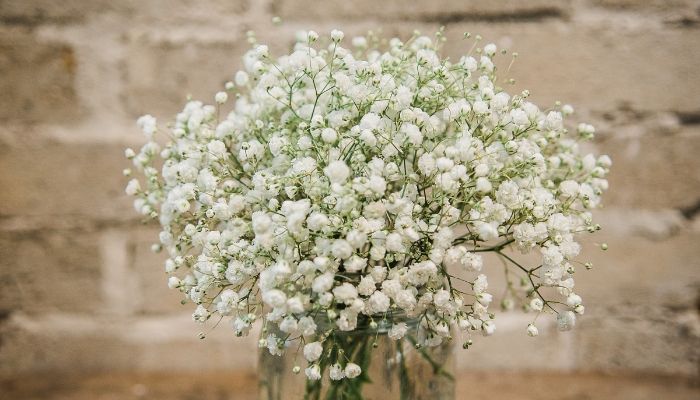
Baby’s Breath is a symbol for eternal love, love that has no end and the love that lasts forever. So, Bridal bouquets are made out of these flowers. Also beautiful wedding decorations are done with these flowers to add meaning to decor. The symbolic meaning of this flower is also freedom, innocence and purity. Thus there is a tradition to give these flowers to the couples when they are blessed with newborn baby. It is also a symbol of pureness and so undoubtedly it is used to welcome the little angels.
Uses of Baby’s Breath
These plants make an attractive groundcover for flower garden. They are wonderful plants to fill up gaps in borders and bed. They look lovely falling out of raised bed and tumbling over rock walls.
Interesting Facts
- They are deer resistant.
- These plants are usually pest free and drought tolerant.
- Related varieties of these plants are Bristol Fairy that has pure white double flowers and Pink Fairy that are pink double flowers that can reach up to 18 inches of height.
- These plants are available all round the year.
- These plants are distributed throughout the Northern Hemisphere.
- Dried Gypsophila flowers are used to decorate wreaths and other crafts.
- The dainty flowered Gypsophila is used in Flower arrangement and these plants bring beauty to gardens when grown in clumps.
Soil Needed
- They prefer average well drained soil.
- Plant them in a sunny spot.
- They require alkaline soils whose pH between 7 and 7.5.
- The soil should be nutritive with humus so add general purpose fertilizer before planting if soil is poor.
- They are not fond of clay.
How to Plant?
- Plants grow best in full sun.
- You can propagate this plant by sowing seeds.
- They also can be propagated by cuttings but that requires patience, luck and skill.
- They require liberal amount of water though the plants have tap roots.
- Seeds are directly sown into the flower garden or you can also start indoors.
- You should sow the seeds once the soil becomes warm in spring.
- Transplant the plants 8 inches apart after the frost.
Maintenance and Care
- You can provide these plants support by using bamboo stakes and twines so that the plant does not flop.
- They do not require deadheading by, shear once in mid season to keep the plant look tidy.
- Only tall plant requires staking.
- If the spent flowers are removed, they will rebloom.