
Barberry - A Plant of Berberidaceae Family
Published · Flower Resource
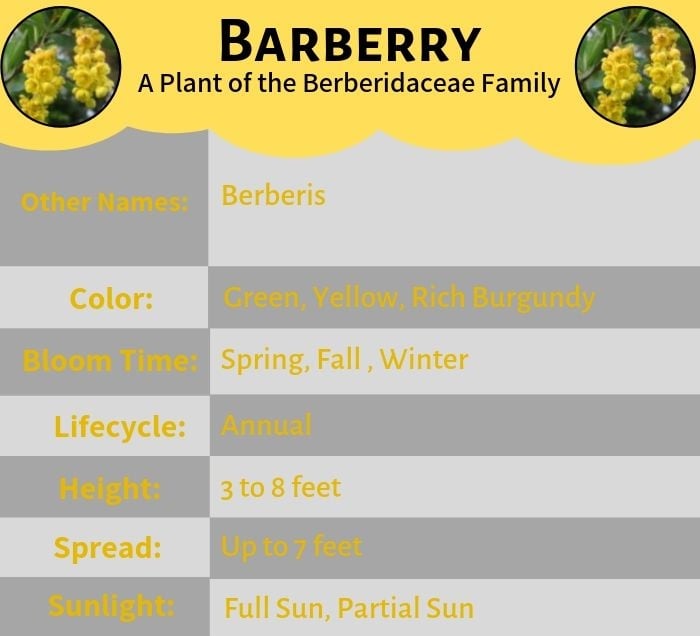
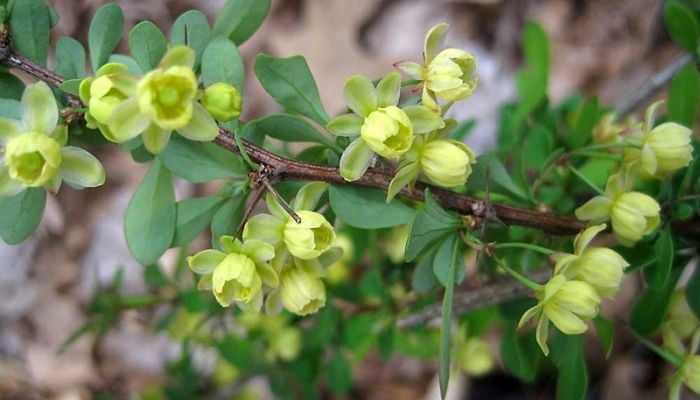 These plants are hardy deciduous plants are used in gardens as foundation bushes because they are very low maintenance and can adapts different types of environment easily. The scientific name of this plant is Berberis vulgaris. They are famous for its rich color and all round the year garden interest. There are 400 species of these barberry plants and some of them also have thorns. Some types of barberry plants are also invasive. Barberry plant is a true classic in the entire growing season of the plant. They are 3 to 8 feet in height and spreads across 7 feet in width. They bloom in spring, fall and winter.
This plant symbolizes destiny, luck and powerfulness so you can gift these flowers to your loved ones on their big achievements and wish them more luck and strength. The plant as ornamental structure and is mostly grown in European countries and also found in North Africa and South America.
Uses of Barberry
- They are used as hedge because of its uniform growth pattern.
- This plant can treat diabetes and diarrhea.
- They also help in curing cancer.
- It is used both as internal and external use for health conditions such as malaria, heart failure, jaundice and liver disease.
- They consist of anti inflammatory properties.
Interesting Facts
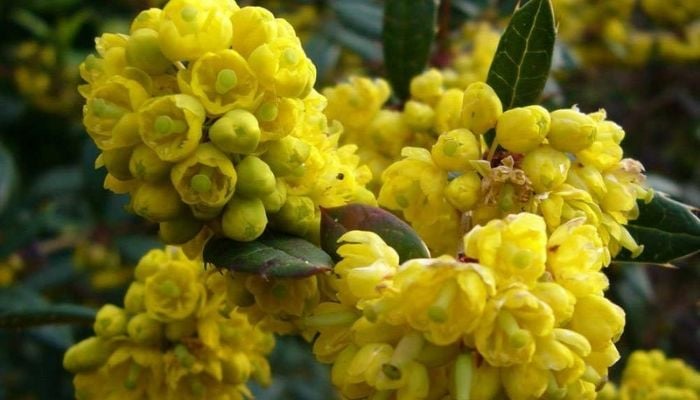
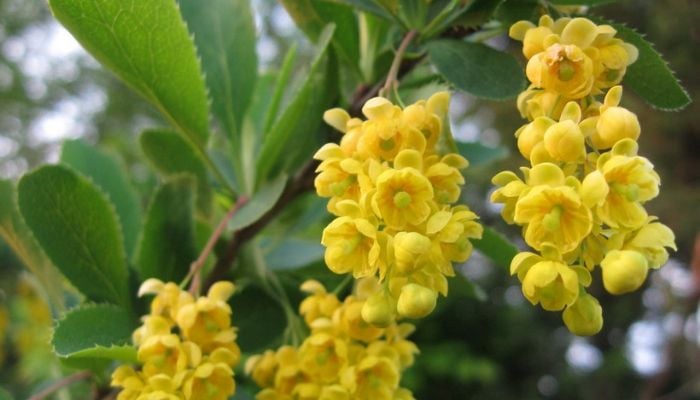
- Different varieties of barberry are Japanese Barberry that has bright green leaves and it bears small berries in winter, other is Wintergreen barberry which is evergreen thorny shrub that makes an excellent live barrier or hedge and bears yellow flowers and last Mentor Barberry that have leathery leaves and produces small spring flowers.
- The plant has vibrant foliage in shades of green, yellow and rich burgundy.
- They are shunned as invasive plants.
- They attract birds with its beauty.
Soil Needed
- This plant is very adaptable and thus wide ranges of soil types are suitable to it.
- They require full sun or partial shade.
- They prefer soil with ph between 6.0 to 7 that is moderately acidic to neutral.
How to Plant?
- You can transplant barberries immediately after flowering or in late winter.
- They are mostly planted in fall while they are in dormant state, the roots of the plants should be soaked in water before planting the plant so they remain moist.
- They require plenty of space to grow so plant the shrubs some 2 to 3 inches apart.
- Keep the soil nutritive and moist with organic materials and water the area well and give it adequate water when there is no rain for summer.
Maintenance and Care
- Minimal care is required by this plant.
- When you have used this plant as hedge it is necessary to prune it several times a year.
- Remove the dead wood of the plant in summer and winter months.
- 3 inch mulch is also required for moisture retention.
- After the plant has fruited prune it for shape in winter or fall.
- It is not necessary to fertilize barberry shrubs.