
Black Eyed Susan - A Plant of Rudbeckia Family
Published · Flower Resource
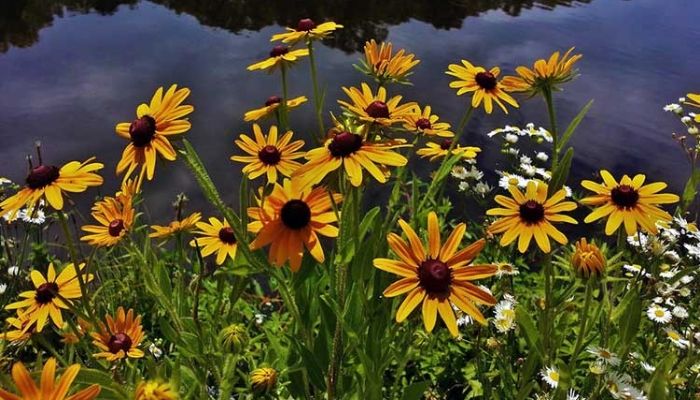 Rudbeckia are daisy like flowers and they belong to sunflower family (Asteraceae). They are actually called coneflowers because they have cone shaped heads but they should not be confused with purple coneflowers. Both these flowers belong from same plant family and require similar growing conditions yet the color and appearance of the flowers differ. The flowers are 2 to 9 inches wide and can be single, semi double and fully double. The petals of flowers are in different shades like orange gold, red, bronze and mahogany. The centre of the flower is dark brown and not black and some it cultivars such as Prairie Sun have green centers. They are native to North America and are actually biennials or short lived perennials.
These plants are hardy and can thrive and tolerate different weather conditions and they symbolize encouragement and motivation. Black Eyed Susans are also traditionally considered as Symbol of Justice for so many centuries.
Uses of Black Eyed Susan
- Black Eyed Susan is good cut flowers.
- They also work well for borders or in containers.
- Root of the plant is used to make tea to cure worms and colds.
- The root wash is used for sores, snakebites and swelling.
- The root juice is also used for ear aches.
Interesting Facts
- There are about 25 species of Rudbeckia.
- Different varieties of these plants are Rudbeckia hirta commonly called Black eyed Susan, Rudbeckia fulgida called orange coneflower, Rudbeckia Maxima that has large coneflower and many more.
- Butterflies, bees and many other insects are attracted to the flower for the nectar.
- These plants bloom from June to October.
Soil Needed
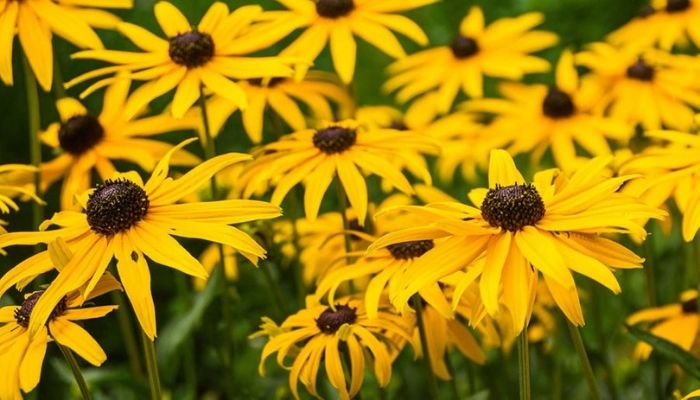
- This plant thrives well in sunny location and well drained soil.
- They can tolerate drought better than soggy ground.
- Keep the soil moist and water them regularly.
- They will be able to tolerate dry conditions once they are established well.
How to Plant?
- They are available as bedding plants in the spring and can also be grown easily though seeds.
- You can plant the seeds indoors in early spring some 9 to 10 weeks before the last frost or you can even directly sow them in your garden or backyard in spring or summer.
- Perennial varieties of these plants can be transplanted in fall or early spring.
- By propagation through seeds, scatter and gently press them into the soil and cover them with very light layer of soil.
- Dwarf varieties should be grown 6 to 12 inches apart and perennials should be grown 18 to 30 inches apart.
Maintenance and Care
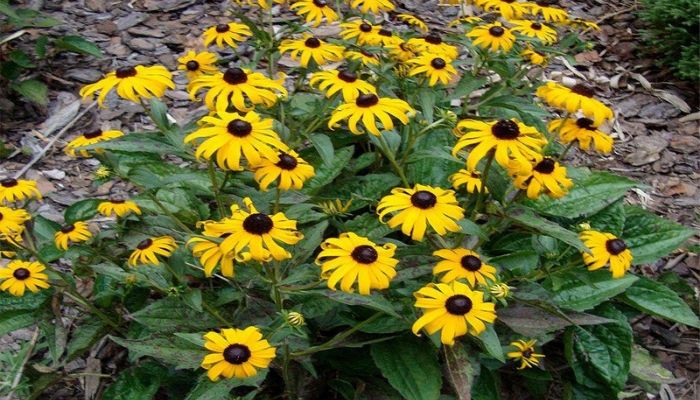
- Deadhead your plants and pinch off blooms to extend their flowering period.
- You have to divide perennials every 3 to 4 years to avoid excessive spreading and to ensure healthy plants.
- Make sure the plants do not get dry out and so check regular watering.
- These plants can catch powdery mildew fungi, so start an organic antifungal program if the lower leaves turn brown and twisted.