
Calendula Officinalis - A Plant of Asteraceae Family
Published · Flower Resource
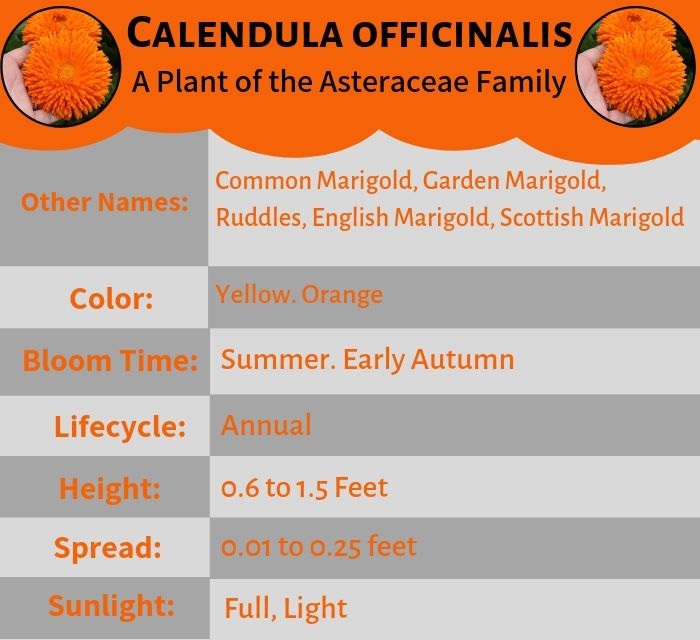
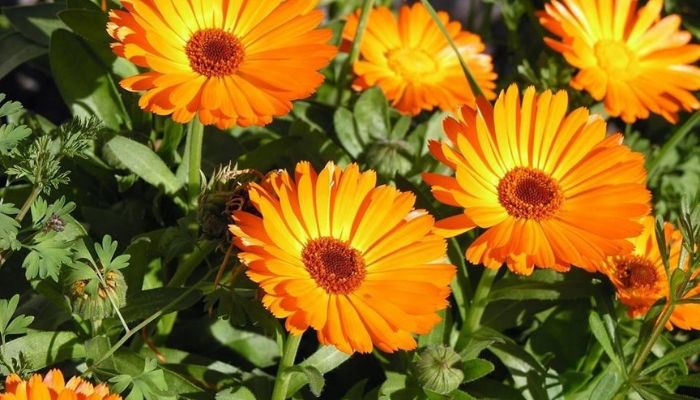 This flower belongs to Daisy Family Compositae and is an annual herb. The flower is commonly called Marigold, Garden Marigold, English Marigold and Scottish Marigold. These flowers are 4 to 7 cm wide and are single flowers like capitula that are surrounded by involucral bracts. The flowering time of the blooms is June to October. The fruit of this plant is long beaked or curved and spine backed achene. The height of the plant is 8 to 20 inches and the stem smells repulsively. These flowers are native to Central, Eastern and Southern Europe. Nowadays you will find this plant growing wild in roadsides, borders, dumps and vineyards.
The genus name id calendula that comes from Latin word calendar and means something like small calendar. The English name of the flower is marigold that means colors of the flower. It is a symbol of sunshine.
Uses of Calendula Officinalis
- These flowers were used as folk medicine in Ancient Greece, Rome and Arabia.
- The flower is popularly used in skin treatment.
- The preparation of the flower is used in treating minor wounds, callouses, eczema, burns, itches, stings and mosquito bites.
- The surface tissues of the flowers have anti bacterial properties that help in preventing infections.
- The flower is also used in many beauty therapy and also products such as lotions, creams and other cosmetics.
Interesting Facts
- The Marigolds are grown in garden of Europe since 12th century and by 14th century humans learned its magical powers.
- The marigold produces strong and pungent smell that is sometimes unbearable and this will deter the insects and pests from the garden.
- Marigolds are grown commercially worldwide for different uses.
- One of the medieval authors describes that by just looking upon the blooms the eyesight is improved and it also draw away evil humors from the head.
- They can also be used as food livestock.
- It is often used as natural dye in foods such as pasta, vegetable oil, mustard, margarine, cheese and mayonnaise.
- They make excellent and long lasting cut flowers.
Soil Needed
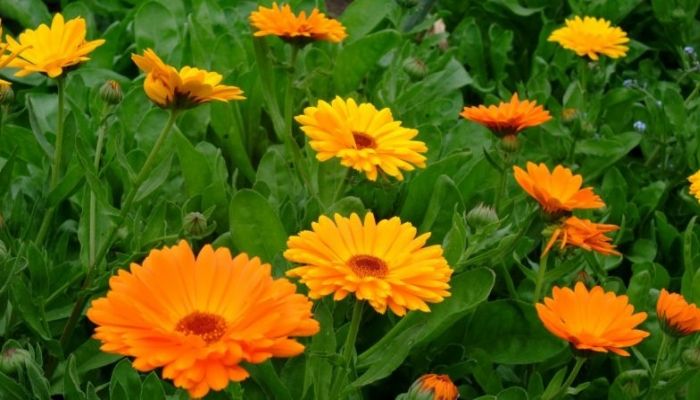
- These flowers prefer well drained soil and they can also grow in nutritionally poor soil.
- Marigolds are suitable for sandy, loamy and clayey soil.
How to Plant?
- You can start from planting Calendula indoors as it is a cool season plant and should be planted some 6 to 8 weeks before the last frost or you can also sow seeds directly after last frost.
- Seeds would take 5 to 15 days to germinate.
- The seeds should be sown some 24 to 36 inches apart.
- The plant requires full sun to partial shade.
Maintenance and Care
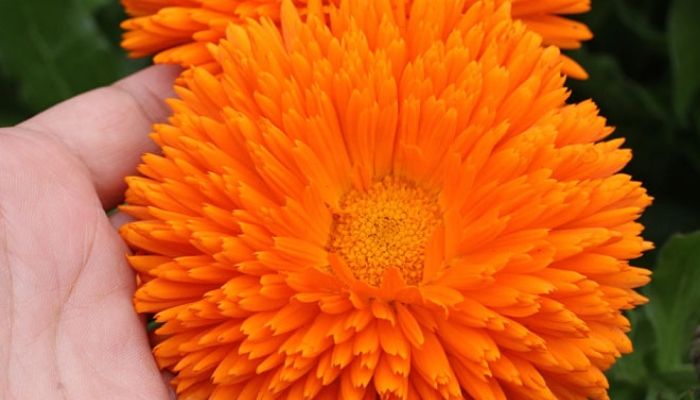
- Deadhead and fertilize to increase blooms.
- Also pinch off the spend flowers on daily basis to extend the blooming period.
- Mulch to prevent weeds and conserve moisture thus it will help the roots keep cool.
- Insects and diseases are not a problem with this flower; moreover they can used to deter many insect pests.