
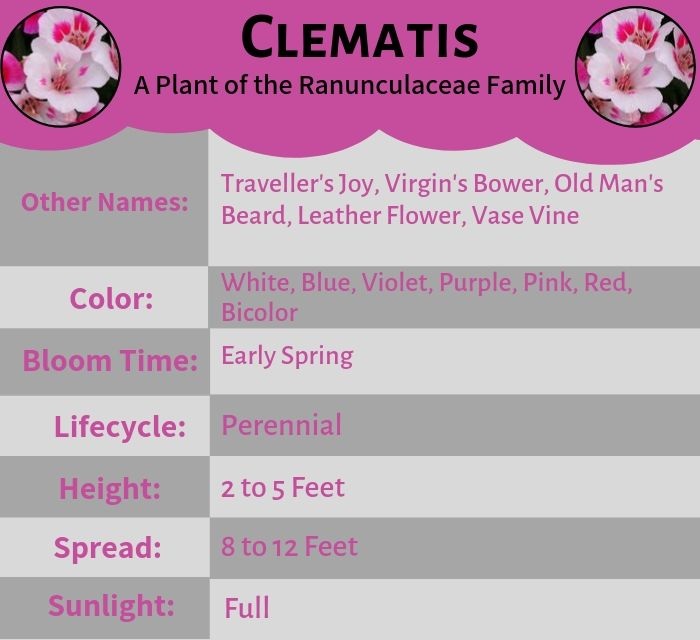
Clematis - A Plant of the Ranunculaceae Family
Published · Flower Resource
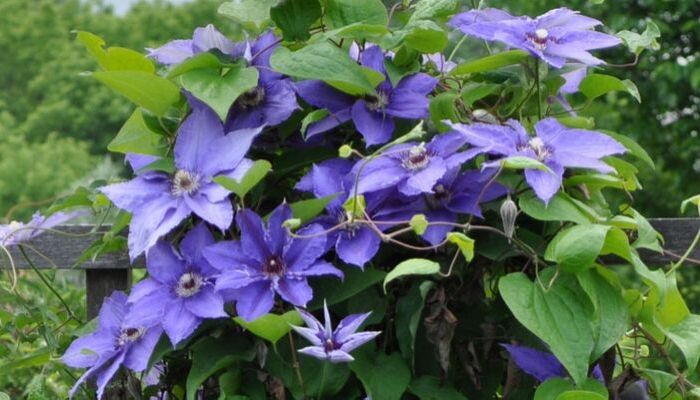 Clematis is one of the most spectacular ad decorative flowering vines. Armand Clematis biological name Clematis armandii is a group of woody, deciduous vines is evergreen and few of them are herbaceous perennials. This vigorous grower can grow up to 20 to 30 feet in height. They come in variety of colors like profusion of white, violet, blue, purple, pink, red and also bicolor flowers. These flowers bloom from February to April. This plant belong o Buttercup Family or the genus Ranunculaceae. Many species are native to Asia but some of the varieties are endemic to North America, Europe and Australia. Clematis is also known as Leather flower and their garden hybrids are quite popular among gardeners.
The name Clematis comes from the ancient Greek word ‘klema’ which means climbing vine. These flowers acquired several meanings during Victorian Era and became famous for its nuanced flower symbolism. It symbolizes mental beauty, art as well as poverty. It is also a symbol of warmth and ingenuity and it also forebodes safety for travelers.
Uses of Clematis
- Clematis has been evaluated for its anti inflammatory, antimicrobial and cytotoxic properties.
- It is used by homoeopathists for eye affections, gonorrheal symptoms and inflammatory conditions.
- They are useful locally and internally in syphilitic, cancerous and other foul ulcers as they are diuretic and diaphoretic.
Interesting Facts
- The common species of these plants include woodbine, virgin’s bower, old man’s beard and vine bower.
- Over 70 species of these plants has been used in Chinese traditional medicine.
- Japanese Garden selections were the first exotic clematises to reach European gardens around 18th century.
- The wild Clematis species are native to China and they made their way into Japanese Gardens by the 17th century.
- The climbing varieties have the ability to scramble up walls, fences and other structures and they also grow through other plants such as shrubs and trees.
Soil Needed
- The plant requires soil that is rich in nutrients and organic matter and it also should be well drained.
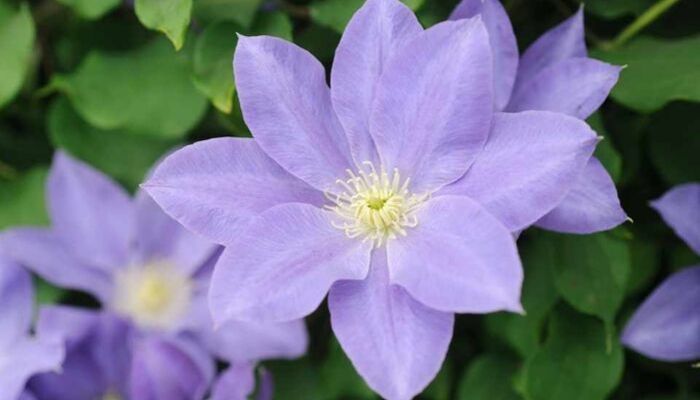
How to Plant?
- Clematis requires plenty of space for adequate air flower as well rich and well draining planting area.
- Clematis is mostly planted in containers in gardens.
- They are usually planted in fall or early spring.
- Dig a large hole with two feet depth and a 2 inch layer of mulch can be incorporated to keep the roots cool and moist.
- Most of the clematis grows best with 6 hours of direct sunlight in a day.
- While planting place the transplants little deeper in the soil than they are in the pot because this will help protect its crown.
Maintenance and Care
- The plants should be watered weekly and more during dry spells.
- Mulch should also be replenished every spring.
- Aphids and spider mites can be problem.
- Annual pruning is also necessary to keep the plants at their best.
- Clematis vines take a few years to really start growing fast and they are not very high maintenance.