
Cockscomb Flower - A Plant of the Amaranthaceae Family
Published · Flower Resource
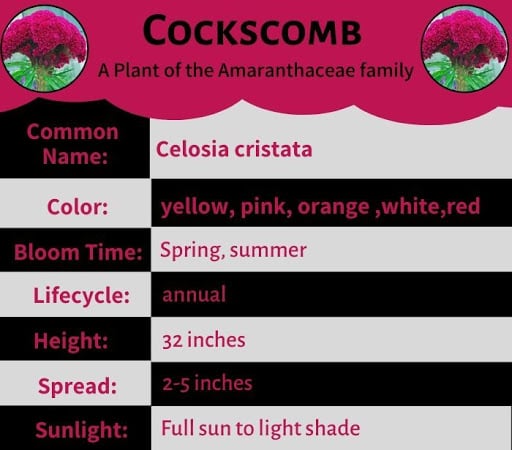
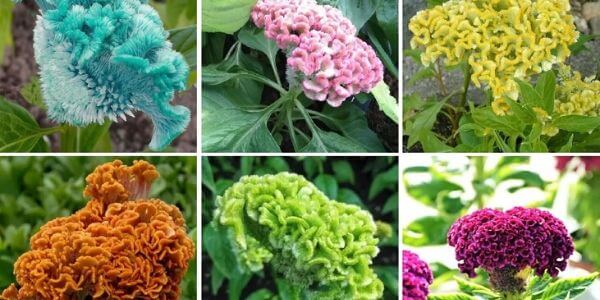 Cockscomb flower is traditionally grown in its red variety called Celosia cristata but is also available in different colors like yellow, pink, orange and white. It is an annual addition to the flower bed. The flower belongs to Amaranth family and has common names of wool flowers and Flamingo feathers. The flower name is suggestive to Rooster’s comb. These flowers bloom from late summer through late fall. They can bloom for up to ten weeks. Cultivars of the flowers are of different sizes that are from 6 to 12 inches with vibrant colors. The exact origin of these flowers is unknown. They have been found growing in countries like Africa, North and South America, India and other places.
Celosia means burning in Greek and when these flowers blooms in large numbers they resemble the grass of fire and so this name. Cockscomb flower symbolizes humor, warmth and silliness in the Victorian language of flowers.
Uses of Cockscomb Flower
- It is useful in garden borders and is also planted between taller plants in the garden to add a spike of color near ground level.
- In south Nigeria is edible and considered most important leaf vegetable called soko.
- The flower and the seed are parasiticide and astringent.
- It is used in treatment of uterine bleeding, diarrhea, bloody stool etc.
- Common cockscomb is an important and also a nutritious vegetable.
- They are also used in soups and stews and leaves are used to retain green color.
Interesting Facts
- They are heat loving and somewhat drought tolerant.
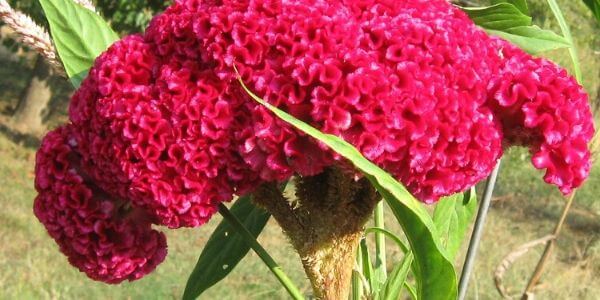
- One type of this flower is velvety and ruffled which looks like a brain.
- Several varieties of Celosia are Sparkler, Jewel Box, Fresh Look Red and Bombay & Century Mix.
- They have the vase life of 2 weeks once they are cut.
- Cockscomb has no fragrance.
Soil needed
- It requires rich and well drained soil.
- It may only grow in partial sun.
How to plant?
- The seedlings should be planted in late spring indoors.
- Before planting add plenty of manure to the soil.
- You can also transplant them after 2 months once they have grown into a suitable size, outside when the danger of frost is passed.
- Mist the soil and the seeds because the seeds will not germinate if they dry out.
- The soil should be kept moist and should be planted 8 inches apart.
- Discard the plants in fall, once frost kills these plants.
Maintenance and Care
- These are easy to grow flowers and they can even propagate on their own.
- To make the plant grow well and thrive, fertilize the soil once a month with nutrient rich compost.
- They grow best when they are mulched.
- To give the flowers hot weather energy boost, spray the foliage of flowering annuals with dilute solution of liquid fertilizer.
- They are easy to grow indoors under light or outdoors in garden.
- Remove the plants when they die with first hard frost but keep the beds mulched right through winter.